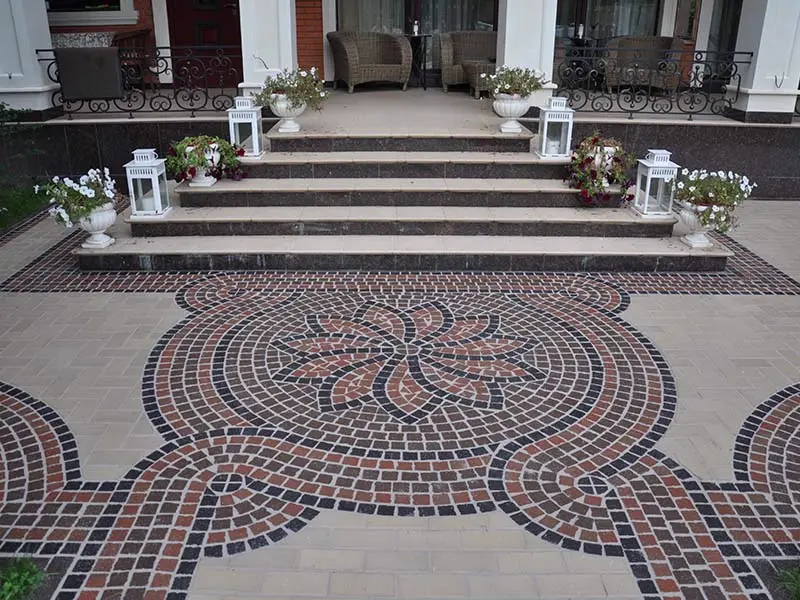
When it comes to interlock projects in Ottawa, size doesn’t always mean savings. While you might think a smaller project would automatically cost less per square foot, the reality of small interlock jobs often surprises homeowners. Whether you’re planning a compact entry landing, a cozy side patio, or a decorative pool surround, understanding the unique pricing dynamics of projects under 200 square feet can help you budget appropriately and avoid sticker shock.
Why Small Interlock Jobs Cost More Per Square Foot
The economics of small interlock projects differ significantly from larger installations. While a 500 square foot interlock patio might cost $18-$22 per square foot, a 75 square foot project could run $24-$35 per square foot. This pricing paradox stems from several fundamental factors that don’t scale down proportionally with project size.
First and foremost is the minimum project surcharge. Professional interlock contractors face fixed costs regardless of project size: mobilizing equipment, transporting materials, setting up the work site, and deploying a skilled crew. These baseline expenses represent a significant portion of small job costs. A contractor still needs to bring a plate compactor, excavation equipment, cutting tools, and safety gear whether they’re installing 50 square feet or 500 square feet.
Labor efficiency also plays a crucial role. Larger projects allow crews to establish rhythm and workflow efficiency that simply isn’t possible on tiny installations. The time spent on site preparation, material staging, and cleanup represents a much higher percentage of total project time for small jobs. What might be 10% overhead on a large project becomes 30-40% overhead on a 75 square foot installation.
Realistic Pricing Ranges for Small Interlock Projects in Ottawa
Understanding the typical cost ranges for different project sizes helps set realistic expectations. Here’s what Ottawa homeowners can expect to pay for professional interlock installation in 2026:
50-100 Square Feet: $1,200-$3,500
This ultra-small category represents projects like narrow walkways, small entry landings, or accent areas around pools or gardens. At this size, you’re paying the highest per-square-foot rates, typically $24-$35 per square foot. The minimum project cost rarely drops below $1,200 even for the simplest 50 square foot installation, as contractors need to cover their mobilization costs and ensure profitability.
Common projects in this range include front door landings (typically 40-60 sq ft), side gate access paths, small garden borders, and decorative pool surrounds. Material choice significantly impacts final cost: standard concrete pavers might hit the lower end of the range, while premium natural stone or specialty pavers can push costs to $40+ per square foot.
100-150 Square Feet: $2,000-$4,500
This mid-small category offers slightly better value, with per-square-foot costs dropping to $20-$30. Projects in this range include small side patios, expanded entry areas, short driveway extensions, or combined walkway projects. The efficiency gains aren’t dramatic, but contractors can achieve some workflow optimization that wasn’t possible in the 50-100 sq ft range.
Homeowners often use this size range for backyard sitting areas, fire pit surrounds, or garden pathways. While still expensive per square foot compared to larger projects, the total investment remains manageable for most budgets, making it a popular choice for targeted upgrades that deliver high visual impact.
150-200 Square Feet: $2,700-$5,600
Approaching the upper limit of “small” projects, this range offers the best per-square-foot value among compact installations at $18-$28 per square foot. You’re getting closer to the efficiency levels of medium-sized projects while still completing the work in typically one day.
Common applications include modest side patios, extended front entry areas, pool deck sections, or combination projects (walkway plus small patio). At this size, pattern complexity becomes more noticeable in both aesthetics and cost. A simple running bond pattern might stay toward the lower end of the price range, while herringbone or circular patterns can add 15-20% to total costs.
The Base Preparation Reality: Fixed Costs Don’t Scale Down
One of the most misunderstood aspects of small interlock projects is base preparation. Regardless of whether you’re installing 50 square feet or 500 square feet, proper base construction requires the same fundamental steps and materials:
- Excavation to proper depth (typically 10-12 inches in Ottawa’s freeze-thaw climate)
- Granular A base layer (4-6 inches, properly compacted)
- Bedding sand layer (1 inch, screeded level)
- Edge restraints to prevent paver migration
- Proper drainage considerations and slope
A contractor can’t skimp on base depth just because the surface area is small. Ottawa’s harsh winters demand proper freeze-thaw protection regardless of project size. The equipment needed – plate compactor, excavator or shovels, level and stakes – doesn’t change. The expertise required to ensure proper drainage and compaction remains identical.
This means base preparation costs might represent $800-$1,500 of your total project cost even on a 75 square foot installation. On a 500 square foot project, that same preparation work might cost $2,000-$3,000, but when distributed across the larger area, the per-square-foot impact is far less noticeable.
Design Complexity and Pattern Selection Impact
Pattern complexity affects all interlock projects, but the impact is proportionally larger on small jobs. Simple patterns like running bond or stack bond minimize cutting and labor time, keeping costs toward the lower end of the range. However, many homeowners choose small projects specifically for decorative impact, opting for eye-catching patterns that demand premium pricing.
Herringbone patterns require precise cutting and fitting, increasing labor time by 15-25% compared to simple patterns. Circular patterns, fan designs, or multi-color installations can add 20-30% to project costs. On a 100 square foot project, choosing herringbone over running bond might add $400-$800 to your total cost.
Border treatments also impact small project pricing. A simple soldier course border adds minimal cost, but decorative inlays, contrasting colors, or intricate edge details can significantly increase both material and labor expenses. For small projects where visual impact matters, these design elements often justify the premium.
Material Waste: The Hidden Cost of Small Projects
Material waste disproportionately affects small interlock jobs. While a large project might require 5-8% material overage for cutting and waste, small projects often need 10-15% or more. This stems from several factors:
Pavers often come bundled in quantities that don’t perfectly match small project needs. You might need 80 square feet of pavers but have to purchase enough for 95 square feet because of how materials are packaged. Edge cutting on small projects represents a higher percentage of total pavers, creating more waste pieces that can’t be used elsewhere.
Base materials face similar challenges. You can’t order 0.3 cubic yards of granular A – you’re buying minimum delivery quantities that might exceed your needs. For very small projects, contractors sometimes pay nearly as much for material delivery as for the materials themselves.
Responsible contractors factor this waste into their estimates. When reviewing quotes, ask whether material waste is included or if it’s billed separately. Understanding this cost component helps you compare quotes accurately and avoid surprise charges.
Contractor Availability and Scheduling Challenges
Small interlock jobs face unique scheduling challenges that can affect both pricing and timeline. For contractors, small projects are less profitable than large ones, making them harder to prioritize during busy spring and summer seasons. Many contractors implement minimum project fees or charge premium rates for small jobs to make them economically viable.
During peak season (May through September in Ottawa), you might find contractors less interested in 75 square foot projects when they have 500+ square foot jobs waiting. This can mean longer wait times or premium pricing to secure a spot in the schedule. Some homeowners find better availability and pricing for small jobs in shoulder seasons (April or October), though weather considerations become more critical.
The solution for many contractors is to batch small jobs – scheduling multiple small projects in the same area on consecutive days to maximize efficiency. If you’re flexible on timing and can wait for this batching opportunity, you might secure better pricing than homeowners demanding immediate scheduling.
Common Small Interlock Projects in Ottawa
Understanding which projects fall into the small category helps you plan and budget appropriately. Here are the most common small interlock installations Ottawa contractors handle:
Entry Landings (40-80 sq ft): Front door landings create impressive curb appeal without major investment. These projects typically run $1,200-$2,800 depending on design complexity and material choice. They’re popular first-time interlock projects that demonstrate the material’s beauty without committing to a large installation.
Side Patios (100-180 sq ft): Narrow side yards often accommodate small patio areas perfect for bistro sets or small gatherings. These intimate spaces cost $2,000-$5,000 but transform otherwise unused areas into functional outdoor living space.
Pool Surrounds (varies): Accent areas around pools, especially decorative corners or entry points, frequently fall in the 75-150 square foot range. These projects enhance pool aesthetics and improve functionality, with costs ranging from $1,800-$4,200.
Walkway Sections (60-120 sq ft): Short walkways connecting different areas or creating garden paths are popular small projects. A 3-foot wide, 20-foot long walkway represents 60 square feet and typically costs $1,500-$2,400.
Garden Borders (varies): Decorative borders around gardens or trees range from 30-100 square feet. While visually impactful, these projects face the highest per-square-foot costs due to irregular shapes and extensive cutting.
DIY Feasibility for Small Interlock Projects
The high per-square-foot cost of professional small interlock installation leads many homeowners to consider DIY approaches. While technically possible, several factors make professional installation worthwhile even for compact projects:
Proper base preparation requires knowledge and equipment most homeowners don’t possess. A plate compactor rental costs $80-$120 per day, but knowing proper compaction techniques and achieving adequate density requires experience. Improper compaction leads to settling, shifting, and eventual failure – problems that cost far more to fix than the original installation would have cost.
Excavation depth, drainage planning, and edge restraint installation all demand expertise. Small mistakes in any of these areas compromise the entire installation. Ottawa’s freeze-thaw cycles are particularly unforgiving of improper base construction, with heaving and settling appearing within the first winter.
Tool and equipment costs also add up quickly for DIY projects. By the time you rent or buy a compactor, level, cutting tools, and safety equipment, you’ve invested $300-$500 before buying any materials. For a project that a professional might complete for $2,000, the potential savings shrink considerably when you factor in tool costs and the value of your time.
That said, very simple projects like small garden borders or decorative accents in non-critical areas might suit confident DIYers. For anything structural, load-bearing, or visible from the street, professional installation typically proves the wiser investment.
The Bundling Advantage: Combining Small and Large Projects
One of the smartest strategies for managing small interlock job costs is bundling. If you’re planning both a large patio and a small walkway, having both installed simultaneously typically saves 15-25% on the small project portion compared to doing them separately.
Bundling eliminates duplicate mobilization costs, allows contractors to order materials more efficiently, and lets crews work continuously rather than setting up twice. A walkway that might cost $2,500 as a standalone project could drop to $1,800-$2,000 when done alongside a patio installation.
Even if you’re not ready to tackle both projects immediately, discussing your complete vision with contractors during initial quotes can help you plan phasing that maximizes value. Some contractors offer “phase 2” discounts if you commit to future work, knowing they’ll already be familiar with your property and site conditions.
Consider timing as well. If you’re planning a small front entry landing this year and a backyard patio next year, the total cost will likely be higher than doing both in one season. Evaluate your budget and timeline to determine whether bundling makes financial sense.
Timeline Expectations for Small Interlock Projects
One advantage small projects offer is speed. Most installations under 200 square feet complete in a single day, with very small projects (under 75 sq ft) sometimes finishing in half a day. This quick turnaround minimizes disruption and allows you to enjoy your new space almost immediately.
A typical small project timeline looks like this: Morning arrival and site preparation (1-2 hours), excavation and base installation (2-4 hours), paver laying and cutting (2-3 hours), and final compaction and cleanup (1 hour). By late afternoon, you’re walking on your new interlock surface.
Weather can impact this timeline. Rain delays are common in Ottawa springs and falls, and extreme heat in summer can make working conditions challenging. Most contractors build weather contingency into their schedules, but discuss backup dates when booking your project.
Curing time for polymeric sand (if used) requires 24-48 hours before the surface should get wet. Plan accordingly if rain is forecast shortly after installation. Your contractor will provide specific care instructions based on the materials and conditions of your particular project.
Getting the Best Value on Small Interlock Projects
While small projects inherently cost more per square foot, several strategies help maximize value:
Get Multiple Quotes: Pricing for small jobs varies significantly between contractors. Some specialize in smaller projects and offer competitive rates, while others focus on large installations and charge premiums for small work. Aim for 3-4 detailed quotes to understand the market rate for your specific project.
Consider Timing: Shoulder season pricing (April, October) often runs 10-15% lower than peak season rates. If your project isn’t time-sensitive, this flexibility can yield meaningful savings.
Be Realistic About Design: Complex patterns and premium materials look beautiful but dramatically increase costs. On small projects where per-square-foot pricing is already high, simple designs with quality standard pavers often deliver better value than elaborate patterns with premium materials.
Plan for the Future: If you’re considering multiple small projects, discuss phasing and bundling with contractors. A clear long-term plan might unlock discounts not available for one-off small jobs.
Verify What’s Included: Ensure quotes include all aspects: excavation, base materials, pavers, edge restraints, compaction, cleanup, and warranty. The lowest quote might exclude items that competitors include, making it more expensive overall.
Questions to Ask Contractors About Small Projects
When soliciting quotes for small interlock work in Ottawa, ask these key questions to ensure you’re comparing equivalent proposals:
- Do you have a minimum project fee, and does my project meet or exceed it?
- What base depth and materials do you recommend for Ottawa’s climate?
- Is material waste factored into your quote or billed separately?
- What warranty do you provide on small projects?
- How does your timeline work for small jobs – will you batch them or schedule mine individually?
- Can you provide references from similar-sized projects you’ve completed?
- What pattern and material options stay within my budget?
- Are there cost advantages to bundling this with other work, either now or in the future?
Quality contractors welcome these questions and provide detailed, transparent answers. Vague responses or reluctance to discuss specifics should raise concerns about professionalism and reliability.
Making Your Small Interlock Investment Count
Small interlock projects, despite their higher per-square-foot costs, deliver significant value when planned and executed properly. A well-designed entry landing creates powerful first impressions for guests and potential buyers. A compact side patio transforms unused space into functional outdoor living area. A decorative pool surround enhances your backyard oasis with professional finishing touches.
The key is approaching small projects with realistic expectations about pricing while focusing on quality and longevity. Cutting corners on base preparation or choosing the cheapest contractor often leads to expensive repairs within a few years, negating any initial savings.
Professional installation ensures your small project withstands Ottawa’s harsh climate cycles, maintains its appearance for decades, and integrates seamlessly with your property’s overall aesthetic. When you factor in the longevity and performance of properly installed interlock, the per-square-foot premium becomes an investment in lasting value rather than an overpriced expense.
Ready to Discuss Your Small Interlock Project?
Whether you’re planning a compact entry landing, a cozy side patio, or any other small interlock installation in Ottawa, understanding the unique pricing dynamics of these projects helps you budget appropriately and make informed decisions. At Interlock Experts, we specialize in projects of all sizes and provide transparent, detailed quotes that help you understand exactly what you’re paying for.
Our team has completed hundreds of small interlock installations across Ottawa, from decorative garden borders to functional walkways and entry areas. We understand the efficiency challenges of compact projects and price them fairly while maintaining the same quality standards we apply to larger installations.
Contact us today at +1 613 981 0199 to discuss your small interlock project. We’ll visit your property, assess your specific needs, and provide a detailed quote that breaks down all costs so you understand exactly what you’re investing in. Our quotes include comprehensive base preparation, quality materials, professional installation, and warranty coverage – no hidden fees or surprise charges.
We can also discuss bundling opportunities if you’re planning multiple projects, explore design options that fit your budget, and answer all your questions about the process, timeline, and long-term care. For more information about our services, visit our pricing page or contact us to schedule your free consultation.
Small projects deserve the same attention to detail and professional expertise as large installations. Let Interlock Experts show you how quality craftsmanship transforms even compact spaces into beautiful, durable outdoor features that enhance your property’s value and your enjoyment of your home.