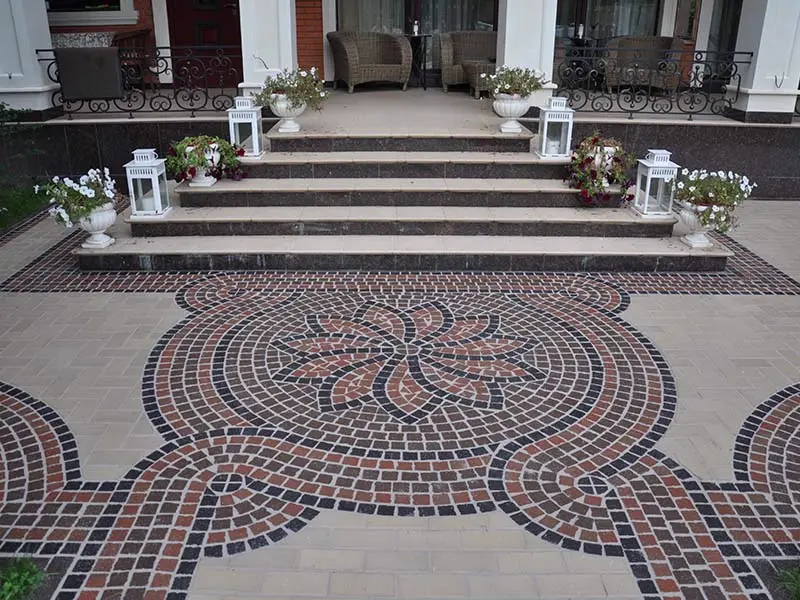
Interlock pavement adds beauty and durability to Ottawa driveways, patios, and walkways—but over time, dirt, moss, algae, and winter salt buildup can leave your pavers looking dull and stained. Many homeowners wonder: can you pressure wash interlock without damaging it? The answer is yes, but only if you do it correctly.
Improper pressure washing is one of the leading causes of joint damage in interlock installations across Ottawa. Too much pressure, the wrong nozzle, or incorrect technique can blow out polymeric sand, destabilize pavers, and create gaps that invite weeds, water infiltration, and frost heave damage. In this guide, we’ll walk you through the proper do’s and don’ts of pressure washing interlock in Ottawa’s unique climate.
Why Pressure Washing Interlock Requires Special Care
Unlike concrete slabs or asphalt, interlock pavement consists of individual pavers held together by joint sand—typically polymeric sand that hardens when activated with water. This jointing material is critical for:
- Preventing weed growth: Filled joints block seeds and roots from taking hold
- Locking pavers in place: Sand prevents lateral movement and shifting
- Drainage management: Proper joint fill allows water to drain while preventing erosion
- Winter stability: Well-maintained joints resist Ottawa’s freeze-thaw cycles
When you pressure wash interlock incorrectly, you risk blowing out this crucial joint material, which can lead to expensive repairs and accelerated deterioration—especially problematic given Ottawa’s harsh winters where unstable pavers can shift dramatically during freeze-thaw cycles.
The Right Equipment for Pressure Washing Interlock
PSI Settings: How Much Pressure Is Too Much?
The biggest mistake homeowners make is using too much pressure. Here’s what you need to know:
Recommended PSI range: 1,500 to 2,500 PSI maximum
- 1,500-2,000 PSI: Ideal for routine cleaning and maintenance
- 2,000-2,500 PSI: For stubborn stains, oil spots, or heavy moss buildup
- Above 3,000 PSI: Risk of joint damage increases significantly—avoid unless you’re a professional with surface cleaning attachments
Most residential pressure washers range from 1,300 to 3,000 PSI. If your unit exceeds 2,500 PSI, reduce the pressure setting or maintain greater distance from the surface. Commercial units often exceed 4,000 PSI and require specialized training to use safely on interlock.
Nozzle Selection: The Critical Factor
The nozzle you choose matters more than PSI alone. Pressure washer nozzles are color-coded based on spray angle:
- Red (0°): Pinpoint jet—NEVER use on interlock, will damage pavers and blast out joints
- Yellow (15°): Narrow spray—too concentrated for most interlock applications
- Green (25°): Medium spray—acceptable for spot cleaning tough stains
- White (40°): Wide spray—BEST for general interlock cleaning
- Black (65°): Low-pressure soap nozzle—safe for applying detergents
Pro tip: Start with the white 40-degree nozzle at maximum distance and work your way closer only if needed. This approach prevents accidental damage from starting too aggressively.
Surface Cleaners: The Professional Alternative
For larger areas like driveways, consider a surface cleaner attachment. These circular tools distribute pressure evenly across a wider area, reducing the risk of joint damage while cleaning more efficiently. They also prevent the “tiger striping” pattern that can occur with wand-only cleaning.
Step-by-Step: How to Safely Pressure Wash Interlock in Ottawa
Step 1: Prepare the Area
Before you start pressure washing:
- Remove loose debris, leaves, and dirt with a broom or leaf blower
- Inspect joints for existing damage or missing sand
- Apply a specialized paver cleaning solution to tough stains (oil, rust, organic growth)
- Protect adjacent surfaces—siding, windows, landscaping—from overspray
- Water nearby plants before and after cleaning to dilute any cleaning chemicals
Step 2: Test a Small Hidden Area First
Always test your pressure and technique on an inconspicuous area first—perhaps along a side yard or behind a garage. This lets you dial in the right distance and pressure without risking visible damage to high-traffic areas.
Step 3: Maintain Proper Distance and Angle
Distance: Keep the nozzle 12-18 inches from the paver surface. Closer than 6 inches significantly increases joint damage risk.
Angle: Hold the wand at a 45-degree angle, not perpendicular to the surface. This directs water and debris forward rather than forcing it deep into joints.
Motion: Use smooth, sweeping motions following the length of the pavers. Avoid dwelling in one spot, which can erode sand or etch the paver surface.
Step 4: Work in Sections
Clean in manageable 4×4 foot sections, working from one end to the other in a systematic pattern. This ensures consistent coverage and prevents you from missing spots or over-cleaning certain areas.
For driveways, start at the garage and work toward the street, pushing debris downward and away. For patios, work from the house outward.
Step 5: Rinse Thoroughly
After cleaning, rinse the entire area with lower pressure or even a garden hose to remove any remaining cleaner residue and loosened dirt. This step is especially important if you’ve used chemical cleaners.
Step 6: Inspect and Repair Joints
After the surface dries completely (wait 24-48 hours in Ottawa’s humid summers), inspect all joints carefully. You’ll likely notice some sand loss, especially if the polymeric sand was already degraded.
Plan to re-sand joints after pressure washing—this is a normal maintenance step. For best results, consider professional polymeric sand installation to ensure proper joint stabilization before winter arrives.
Common Mistakes That Damage Interlock (And How to Avoid Them)
Mistake #1: Using Too Much Pressure on Old Installations
Interlock that’s 10+ years old often has brittle, degraded polymeric sand. What worked fine on new pavement can catastrophically damage older installations. Reduce pressure by 500 PSI when cleaning aged interlock.
Mistake #2: Pressure Washing in Direct Sunlight
Cleaning in hot, direct sun causes cleaning solutions to dry too quickly, leaving residue and reducing effectiveness. Work in early morning, late afternoon, or on overcast days when temperatures are moderate.
Mistake #3: Ignoring Weather Timing
Never pressure wash interlock if rain is expected within 48 hours—you need adequate drying time before re-sanding. In Ottawa, this means planning around our unpredictable spring and fall weather. Check the extended forecast and choose a stretch of dry, mild weather.
Mistake #4: Skipping Joint Repair After Cleaning
Pressure washing inevitably displaces some joint sand. Failing to re-sand creates immediate problems: weeds sprout, ants colonize gaps, water infiltrates the base, and winter freeze-thaw cycles shift pavers. Always budget time and materials for joint restoration.
Mistake #5: Using Harsh Chemical Cleaners
Acidic cleaners (muriatic acid, harsh degreasers) can etch paver surfaces, discolor polymeric sand, and damage surrounding vegetation. Use cleaners specifically formulated for concrete pavers, or stick with simple solutions: dish soap, oxygen bleach (for organic stains), or specialized paver cleaners.
When to Call Professionals for Interlock Cleaning
While DIY pressure washing is possible, certain situations warrant professional expertise:
- Extensive oil stains: Petroleum-based stains require specialized treatments and hot water pressure washing
- Heavy moss or algae growth: Professionals use antimicrobial treatments that prevent regrowth
- Large areas (500+ sq ft): Commercial surface cleaners and professional equipment clean faster with more consistent results
- Delicate pavers: Tumbled or textured pavers damage more easily than standard smooth pavers
- Pre-existing damage: If joints are already compromised or pavers are loose, DIY pressure washing can worsen problems
Professional interlock cleaning services include equipment calibrated specifically for pavers, commercial-grade cleaners, and joint restoration—often saving you time and preventing costly mistakes.
Post-Cleaning Maintenance: Protecting Your Investment
Re-Sand Joints Within One Week
Don’t let cleaned interlock sit with depleted joints. Re-sand within a week of cleaning to prevent weed growth and stabilize pavers before Ottawa’s weather takes a turn.
Learn more about proper jointing techniques in our guide to polymeric sand installation for Ottawa climates.
Consider Paver Sealing
After cleaning and re-sanding, many Ottawa homeowners choose to seal their interlock. Quality sealers:
- Enhance color and create a subtle sheen
- Protect against oil stains and de-icing salt damage
- Reduce weed growth and make future cleaning easier
- Extend the life of polymeric sand by 2-3 years
Wait at least 30 days after polymeric sand installation before applying sealer to ensure complete curing.
Plan Annual Cleaning
For Ottawa interlock, the ideal cleaning schedule is:
- Spring (May-June): Remove winter salt residue, address early weed growth
- Fall (September-October): Clean before leaf drop and prepare for winter
Avoid cleaning in late fall (after October) as cold temperatures prevent proper polymeric sand curing. Never clean in winter—you’ll trap moisture that expands during freezing and damages pavers.
What If You’ve Already Damaged Your Joints?
If you’ve already pressure washed your interlock and noticed extensive joint damage, don’t panic. Professional interlock repair services can:
- Remove remaining degraded sand
- Stabilize shifted or sunken pavers
- Install fresh polymeric sand properly activated for long-term performance
- Address any base issues revealed by joint failure
Catching and repairing joint damage before winter prevents much more extensive (and expensive) repairs come spring when freeze-thaw cycles exploit every weakness.
The Bottom Line: Pressure Washing Interlock Safely
You absolutely can pressure wash interlock pavement in Ottawa—safely and effectively—if you follow these essential guidelines:
- Use 1,500-2,500 PSI maximum pressure
- Choose a 40-degree (white) nozzle for general cleaning
- Maintain 12-18 inches distance at a 45-degree angle
- Work in sections with smooth, sweeping motions
- Plan for joint re-sanding within one week of cleaning
- Time your cleaning for dry weather with 48+ hours of no rain
- Consider professional help for large areas or stubborn stains
Proper pressure washing breathes new life into tired, stained interlock without the damage that comes from aggressive or careless cleaning. Combined with regular joint maintenance and appropriate sealing, your Ottawa interlock will look beautiful and perform reliably for decades.
Ready for Professional Interlock Cleaning in Ottawa?
At Interlock Experts, we specialize in safe, effective interlock cleaning that revitalizes your pavement without damaging joints or pavers. Our commercial equipment, paver-specific cleaning solutions, and expert technique deliver superior results while protecting your investment.
We serve homeowners throughout Ottawa, Kanata, Barrhaven, Orleans, Nepean, and surrounding areas with comprehensive interlock maintenance services including cleaning, joint restoration, sealing, and repair.
Get a free, no-obligation quote for professional interlock cleaning. Contact Interlock Experts today at (613) XXX-XXXX or fill out our online quote form. Let us help you safely restore your interlock’s original beauty—without blowing out the joints.