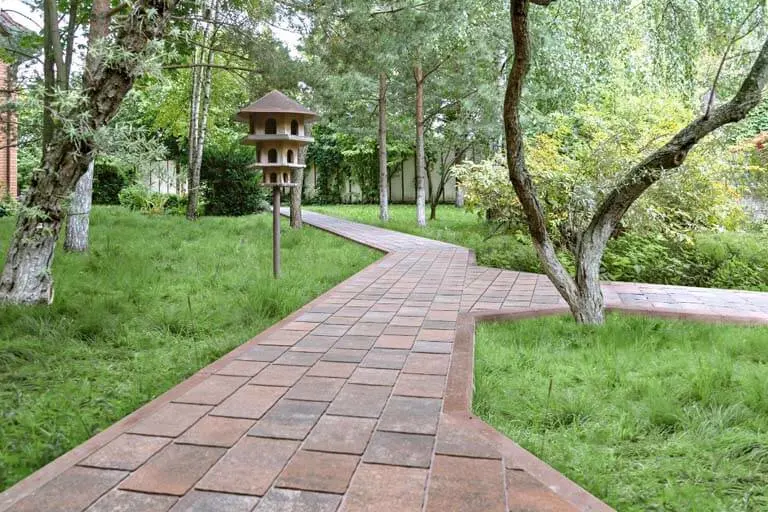
Interlock pavers are a beautiful and durable choice for driveways, patios, and walkways throughout Ottawa. However, one critical maintenance task that many homeowners overlook is re-sanding their interlock joints. The sand between your pavers isn’t just decorative—it plays a vital structural role in keeping your pavers locked in place, preventing shifting, and blocking weed growth.
If you’ve been wondering how often you should re-sand your interlock in Ottawa, you’re in the right place. In this comprehensive guide, we’ll explore the typical re-sanding timeline, signs that your pavers need fresh sand, how Ottawa’s unique climate affects sand longevity, and whether you should tackle this job yourself or hire professionals.
The Standard Re-Sanding Timeline for Ottawa Interlock
As a general rule of thumb, interlock pavers in Ottawa should be re-sanded every 2 to 3 years. This timeline applies to both traditional silica sand and polymeric sand applications, though polymeric sand typically lasts longer due to its binding properties.
However, this 2-3 year guideline isn’t set in stone. Several factors can accelerate or slow down the need for re-sanding:
- Traffic levels: High-traffic areas like driveways experience faster sand erosion than low-traffic patios
- Installation quality: Properly installed pavers with correct base preparation retain sand longer
- Sand type: Polymeric sand can last 3-5 years, while regular sand may need replacement every 1-2 years
- Weather exposure: Areas exposed to heavy rain, snow melt, and freeze-thaw cycles lose sand faster
- Maintenance habits: Regular sweeping and gentle cleaning preserve sand better than pressure washing
Understanding these variables helps you develop a proactive maintenance schedule tailored to your specific interlock installation.
Clear Signs Your Interlock Needs Re-Sanding
Rather than relying solely on a calendar schedule, you should regularly inspect your interlock for these telltale signs that re-sanding is overdue:
1. Visible Joint Gaps
The most obvious indicator is when you can see significant gaps between your pavers. If the sand level has dropped more than half an inch below the paver surface, it’s time to re-sand. These gaps compromise the structural integrity of your entire installation.
2. Paver Movement or Shifting
When you walk across your interlock and notice pavers rocking, tilting, or shifting underfoot, the joint sand has likely eroded to critical levels. The sand acts as a stabilizer—without it, pavers lose their locked position and can shift out of alignment.
3. Weed Growth Between Pavers
Weeds sprouting between your pavers indicate that organic material has accumulated in the joints where sand should be. Once weeds establish roots, they accelerate sand displacement and can cause paver separation. Check out our guide on how to fix weeds growing in interlock joints for immediate solutions.
4. Ant Hills and Insect Activity
Ants love to nest in the empty spaces between pavers. If you notice ant hills forming on your interlock surface, it’s a clear sign that the joint sand has eroded significantly, creating cavities that insects exploit.
5. Uneven Surface Texture
Run your hand across the paver surface. If you feel significant height differences between adjacent pavers, sand loss has likely allowed some pavers to sink while others remain elevated. This creates trip hazards and indicates structural compromise.
6. Water Pooling in Joints
Properly sanded joints drain water effectively. If you notice puddles forming between pavers after rain, the sand level has dropped too low to facilitate proper drainage, which can lead to freeze-thaw damage in Ottawa winters.
Ottawa’s Climate: A Sand-Depleting Perfect Storm
Ottawa’s weather patterns create particularly challenging conditions for interlock sand retention. Understanding these climate factors helps explain why local homeowners may need to re-sand more frequently than the national average:
Extreme Freeze-Thaw Cycles
Ottawa experiences an average of 50-70 freeze-thaw cycles each winter—among the highest in Canada. When water penetrates the joints and freezes, it expands, pushing sand upward and out of the joints. When it thaws, the sand washes away with meltwater. This repetitive cycle accelerates sand loss dramatically.
Heavy Spring Runoff
Ottawa’s significant snowfall (averaging 235 cm annually) creates substantial spring melt. This rushing water flow across your interlock acts like a power washer, flushing out loose sand from the joints. Areas with poor drainage or slope issues suffer the most severe sand erosion during spring runoff.
Summer Storm Intensity
Ottawa’s summer thunderstorms can dump 30-50mm of rain in a single hour. This intense rainfall creates powerful water flow that erodes joint sand, especially on sloped driveways and walkways where water velocity increases.
Winter Salt and De-Icing Chemicals
The rock salt and de-icing products necessary for Ottawa winters can break down sand particles and accelerate erosion. These chemicals also attract moisture, which contributes to freeze-thaw damage and further sand displacement.
Wind Exposure
Open, exposed interlock installations face strong winds that literally blow dried sand out of the joints, especially in spring when sand is loose after winter freeze-thaw cycles.
Given these climate challenges, Ottawa homeowners should inspect their interlock at least twice yearly—once in late spring after winter damage becomes apparent, and again in early fall before winter arrives.
DIY Re-Sanding vs. Professional Service: What’s Right for You?
Once you’ve determined that your interlock needs re-sanding, you face the choice between tackling the project yourself or hiring professionals. Both approaches have merit depending on your situation.
When DIY Re-Sanding Makes Sense
Consider handling re-sanding yourself if:
- Your interlock area is relatively small (under 500 square feet)
- You’re using standard polymeric sand (easier than specialized products)
- The pavers are in good condition with minimal shifting or damage
- You have the necessary tools: broom, compactor, leaf blower, and garden hose
- You’re comfortable with physical labor and following detailed instructions
DIY Re-Sanding Process Overview:
- Clean the paver surface and joints thoroughly
- Remove old, contaminated sand from joints
- Ensure joints are completely dry (crucial for polymeric sand)
- Pour new sand over the surface
- Sweep sand into joints from multiple directions
- Compact the sand into joints
- Add more sand and repeat until joints are full
- Remove all excess sand from the surface
- Activate polymeric sand with light water misting (if applicable)
For detailed instructions on polymeric sand application, see our complete polymeric sand guide for Ottawa.
When to Call the Professionals
Professional re-sanding makes more sense when:
- Your interlock covers a large area (over 500 square feet)
- Pavers show significant shifting, sinking, or damage requiring repair work
- You need edge restraint replacement or base repairs
- The installation requires specialty polymeric sand products
- You lack the time, tools, or physical ability for the labor-intensive process
- You want guaranteed results with warranty protection
Professional Re-Sanding Advantages:
- Proper assessment: Professionals identify underlying issues like base problems or drainage concerns
- Quality materials: Access to commercial-grade polymeric sand with superior binding properties
- Specialized equipment: Industrial compactors and cleaning tools ensure thorough, long-lasting results
- Efficiency: What might take you an entire weekend takes professionals a few hours
- Warranty protection: Professional work typically comes with service guarantees
- Bundled services: Professionals can address multiple issues simultaneously—cleaning, repairs, sealing, and re-sanding
Extending Time Between Re-Sanding Sessions
While re-sanding is inevitable, you can maximize the lifespan of your joint sand with these proactive maintenance practices:
Use High-Quality Polymeric Sand
Investing in premium polymeric sand during installation or re-sanding can double or triple the time between maintenance cycles. Quality polymeric sand creates a solid bond that resists erosion, weed growth, and insect intrusion far better than regular sand.
Avoid Pressure Washing
High-pressure water is the enemy of interlock sand. If you must clean your pavers, use low-pressure water or simply sweep and rinse with a garden hose. Pressure washing blasts sand out of joints, necessitating immediate re-sanding.
Apply Paver Sealer
A quality paver sealer protects both the pavers and the joint sand from moisture penetration, UV damage, and staining. Sealing every 2-3 years helps preserve sand integrity and extend time between re-sanding.
Address Drainage Issues Promptly
Standing water and poor drainage accelerate sand erosion. Ensure your interlock has proper slope for water runoff, and address any low spots or drainage problems immediately.
Control Weed Growth Early
Don’t let weeds establish roots between your pavers. Remove small weeds immediately before they displace sand and create larger problems.
Use Appropriate De-Icing Products
Switch to sand-friendly de-icing products during winter. Calcium chloride is gentler on joint sand than rock salt, and using it sparingly reduces chemical degradation of the sand.
The Cost of Neglecting Re-Sanding
Some homeowners postpone re-sanding to save money, but this short-term thinking leads to far more expensive problems:
- Paver shifting and settlement: Without sand stabilization, pavers shift out of alignment, creating uneven surfaces and trip hazards
- Edge collapse: Perimeter pavers without adequate sand support can collapse or tilt, requiring complete edge reconstruction
- Base erosion: Missing joint sand allows water to penetrate the base material, washing it away and causing major structural failure
- Accelerated paver wear: Unstable pavers rock and grind against each other, causing edge chipping and surface damage
- Weed and moss infestation: Organic growth becomes deeply rooted, requiring expensive removal and potentially damaging pavers
The cost of professional re-sanding ($2-4 per square foot) is minimal compared to full interlock replacement ($15-25 per square foot) or major repair work. Regular re-sanding is genuine preventive maintenance—not an optional expense.
Seasonal Timing for Re-Sanding in Ottawa
When you re-sand matters almost as much as how you re-sand. In Ottawa’s climate, timing is crucial:
Best Time: Late Spring to Early Fall (May to September)
- Dry weather allows proper sand settling and polymeric sand activation
- Warm temperatures ensure sand cures properly
- Maximum time before winter freeze-thaw cycles
- Contractors have better availability
Avoid: Late Fall and Winter (October to April)
- Cold temperatures prevent proper polymeric sand curing
- Moisture from rain and snow interferes with sand settling
- Freeze-thaw cycles immediately after application can damage uncured sand
- Limited contractor availability
Ideally, schedule re-sanding in late June or July when you have the most predictable dry, warm weather for proper installation and curing.
Ready to Restore Your Interlock?
Proper re-sanding is essential for maintaining the beauty, safety, and longevity of your Ottawa interlock installation. Whether your pavers need fresh sand now or you’re planning proactive maintenance, understanding the 2-3 year re-sanding cycle and recognizing the warning signs ensures you protect your investment.
At Interlock Experts, we specialize in comprehensive interlock maintenance, including professional re-sanding services using premium polymeric sand products designed for Ottawa’s challenging climate. Our experienced team can assess your interlock condition, address any underlying issues, and restore your pavers to like-new condition with long-lasting results.
Don’t wait until minor sand loss becomes a major structural problem. Contact Interlock Experts today for a free assessment of your interlock pavers. We’ll provide an honest evaluation of your re-sanding needs and a transparent quote for professional service that extends the life of your beautiful interlock installation.
Call us at +1 613 981 0199 or request your free quote online. Let’s keep your Ottawa interlock looking great and performing flawlessly for decades to come.