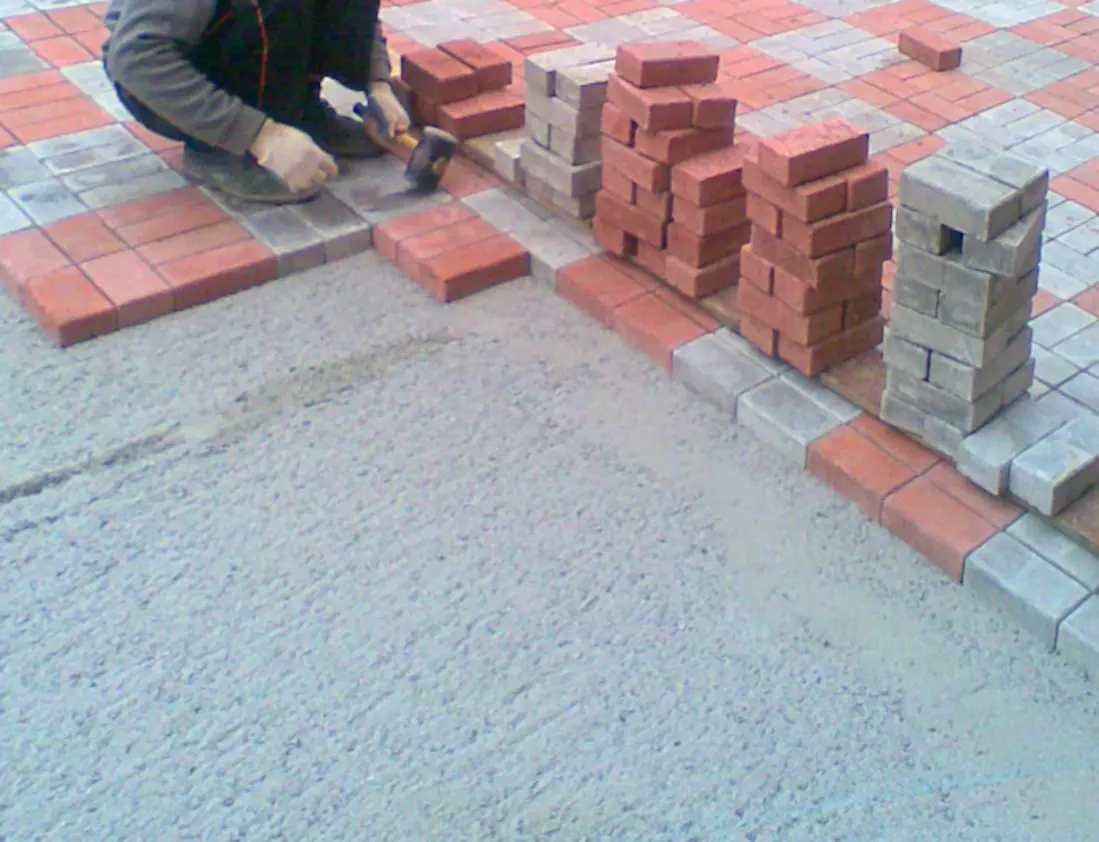
After months of harsh Ottawa winters, your beautiful interlock driveway or patio needs attention. The freeze-thaw cycles, road salt, sand, and ice can take a serious toll on your investment. Spring is the perfect time to assess winter damage and restore your interlock surfaces before the busy summer season.
This comprehensive spring maintenance checklist will help Ottawa homeowners identify common winter damage, address problems early, and keep their interlock looking pristine for years to come.
Why Spring Inspection is Critical for Ottawa Interlock
Ottawa experiences some of Canada’s most severe winter conditions. With temperature swings that can range from -30°C to above freezing within days, our interlock pavers face unique challenges that homeowners in milder climates never encounter.
The combination of freeze-thaw cycles creates pressure beneath and between pavers, potentially causing shifting, heaving, and joint loss. Add road salt, sand spread by municipal crews, and the weight of snow removal equipment, and you have the perfect recipe for interlock damage.
Early spring inspection allows you to catch problems before they escalate into costly repairs. A small drainage issue or minor joint sand loss can quickly become a major structural problem if left unaddressed through another season.
The Complete Spring Interlock Inspection Checklist
1. Surface Cleaning and Debris Removal
Start your spring maintenance by thoroughly cleaning your interlock surfaces:
- Remove winter debris: Clear away leaves, twigs, sand, and other organic matter that accumulated over winter
- Sweep thoroughly: Use a stiff-bristle broom to sweep all paver surfaces, paying special attention to joints
- Inspect for organic growth: Look for moss, algae, or weeds that may have started growing in joints or on shaded pavers
- Check drainage paths: Ensure water can flow freely away from your property without pooling
This initial cleaning gives you a clear view of your pavers and makes it easier to spot damage or problems that need attention.
2. Salt Damage Assessment
Road salt and de-icing products are necessary evils in Ottawa winters, but they can cause significant damage to interlock pavers:
White residue and efflorescence: Look for white, powdery deposits on paver surfaces. This efflorescence occurs when salt draws moisture and mineral salts to the surface. While mostly cosmetic, heavy efflorescence can indicate deeper moisture issues.
Surface pitting and spalling: Examine pavers closely for small holes, flaking, or rough patches. Salt accelerates freeze-thaw damage by lowering water’s freezing point and increasing the number of freeze-thaw cycles pavers experience.
Color fading: Salt can cause discoloration, particularly on colored or stamped pavers. Note any areas where color has noticeably faded compared to protected sections.
Edge deterioration: Check paver edges for chipping or crumbling, especially along driveway borders where salt concentrations are highest.
If you notice significant salt damage, professional interlock cleaning and sealing services can restore appearance and protect against future damage.
3. Sand and Polymeric Sand Loss Inspection
Joint sand is crucial for interlock stability. Winter conditions often cause significant sand loss:
Visual inspection: Walk your entire interlock surface and look for gaps between pavers. Joints should be filled to within 1/8 inch of the paver surface.
Wiggle test: Gently try to wiggle individual pavers. Excessive movement indicates inadequate joint sand and requires immediate attention.
Washout areas: Identify areas where water runoff may have eroded joint sand. These typically occur near downspouts, at slope transitions, or where snow was piled during winter.
Polymeric sand failure: If you have polymeric sand, check for cracking, washout, or areas where the sand has turned to dust. Polymeric sand typically lasts 5-10 years but can fail prematurely with harsh winters.
Lost joint sand should be replaced promptly to prevent paver shifting and weed growth. Learn more about proper polymeric sand installation techniques for long-lasting results.
4. Paver Movement and Heaving
Freeze-thaw cycles cause ground movement that can shift or lift pavers:
Level check: Use a long straight edge or level to check for high spots, depressions, or uneven areas. Pay particular attention to transitions and edges.
Trip hazards: Identify any pavers that have lifted or settled more than 1/4 inch compared to surrounding pavers. These create dangerous trip hazards and should be corrected immediately.
Drainage impacts: Shifted pavers can create low spots where water pools. Mark these areas for repair as standing water accelerates deterioration.
Pattern disruption: Note any areas where the paver pattern has been disrupted. This often indicates significant base movement underneath.
Minor heaving can often be corrected by removing affected pavers, adjusting the base, and reinstalling. Extensive heaving may require professional interlock repair services.
5. Edge Restraint Inspection
Edge restraints keep your interlock installation from spreading outward:
Soldier course check: If your installation uses a soldier course (pavers on edge), inspect for any that have fallen over or shifted.
Metal/plastic edging: Check plastic or metal edge restraints for damage, frost heaving, or separation from pavers.
Border separation: Look for gaps between the main paver field and edge restraints. These gaps allow the entire installation to shift over time.
Concrete curb condition: If bordered by concrete, inspect for cracks or separation that could compromise edge support.
Failed edge restraints require immediate repair to prevent your entire interlock installation from gradually spreading and failing.
6. Drainage System Evaluation
Proper drainage is essential for interlock longevity:
Slope verification: Confirm water still drains away from your home. Settling or heaving can reverse slopes and direct water toward foundations.
Catch basin check: Clean debris from catch basins, drainage grates, and channel drains.
Standing water test: After spring rain or using a hose, watch for areas where water pools. These spots need regrading or improved drainage.
Subsurface drainage: If you have weeping tile or drainage systems beneath your interlock, verify they’re flowing freely. Blocked drainage can cause base erosion and paver failure.
7. Stain Identification and Treatment
Winter can leave various stains on interlock surfaces:
Oil and automotive fluids: Vehicle leaks become apparent when snow melts. Fresh oil stains are easier to remove than old ones.
Rust stains: Metal furniture, tools, or vehicles can leave rust marks. These require special cleaning products for removal.
Organic stains: Decomposing leaves and organic matter can stain pavers. These usually respond to pressure washing.
De-icer discoloration: Some ice melts can cause chemical staining that may require professional treatment.
Professional interlock cleaning services have specialized equipment and products to remove stubborn stains without damaging pavers.
Regional Considerations for Ottawa Homeowners
Different Ottawa neighborhoods face unique challenges based on local conditions:
Kanata and West Ottawa: Areas like Kanata often experience slightly warmer winter temperatures but more freeze-thaw cycles. This can accelerate joint sand loss and paver shifting. Homeowners should pay extra attention to joint sand levels during spring inspection.
Barrhaven and South Ottawa: Properties in Barrhaven and similar developments may have clay-heavy soils that retain water and expand during freezing. Spring inspection should focus on heaving, drainage, and base stability.
Rural and Eastern Ottawa: Areas with gravel or country roads may see more sand accumulation on driveways. Thorough spring cleaning is essential to prevent this abrasive material from scratching pavers.
When to Call Professional Help
While many spring maintenance tasks are DIY-friendly, some situations require professional expertise:
- Extensive heaving: If more than 10-15% of your interlock surface has shifted or heaved
- Major drainage issues: Standing water, reverse slopes, or water directing toward your foundation
- Widespread paver damage: Multiple cracked, pitted, or spalling pavers
- Structural concerns: Significant settling near your home’s foundation
- Complete joint sand loss: Large areas with empty or severely depleted joints
- Edge restraint failure: Widespread border separation or soldier course collapse
Professional interlock contractors have the equipment, materials, and expertise to properly diagnose and repair winter damage, ensuring your investment is protected for years to come.
Preventive Maintenance for Next Winter
Once you’ve completed your spring inspection and repairs, plan ahead for next winter:
Sealing: Consider having your interlock professionally sealed. Quality sealers protect against salt damage, staining, and moisture infiltration while enhancing color.
Drainage improvements: If you experienced water problems this winter, invest in drainage upgrades before next freeze-up.
Better de-icing products: Switch to paver-safe ice melts that won’t damage surfaces or joints.
Snow removal technique: Use plastic shovels and set snowblower skids higher to avoid scraping joints and damaging pavers.
Fall preparation: Clean gutters, extend downspouts, and ensure proper fall drainage to minimize winter ice formation.
Spring Maintenance Schedule
For best results, tackle spring maintenance in this order:
- Early April: Initial inspection once snow has melted completely
- Mid-April: Thorough cleaning and debris removal
- Late April: Assess damage and plan repairs
- Early May: Complete necessary repairs and joint sand replacement
- Mid-May: Professional cleaning and sealing if desired
- Late May: Final inspection and enjoy your restored interlock all summer
Protect Your Investment This Spring
Your interlock driveway, patio, or walkway represents a significant investment in your property’s value and curb appeal. Ottawa’s harsh winters make spring maintenance not just recommended, but essential for protecting that investment.
By following this comprehensive spring checklist, you’ll catch problems early, prevent costly future repairs, and keep your interlock looking beautiful for decades. Whether you tackle maintenance yourself or hire professionals, the key is acting promptly once winter damage is identified.
Don’t let winter damage compromise your beautiful interlock surfaces. A few hours of spring inspection and maintenance will pay dividends in appearance, safety, and longevity.
Need professional help with spring interlock repair, cleaning, or maintenance? Interlock Experts serves homeowners throughout the greater Ottawa region with expert interlock services. Contact us today for a free spring inspection and quote. Our experienced team can quickly assess winter damage and provide cost-effective solutions to restore your interlock to like-new condition.