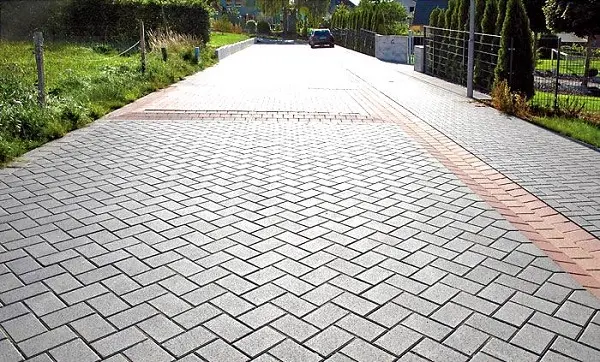
You’ve invested thousands of dollars into a beautiful new interlock driveway or patio, and now you’re faced with a common question: should you seal it? The answer isn’t as straightforward as you might think. While sealing can offer significant benefits, it’s not always necessary for every installation. In this comprehensive guide, we’ll explore everything you need to know about sealing interlock pavers so you can make an informed decision for your Ottawa property.
What Does Sealing Actually Do?
Before diving into the pros and cons, it’s important to understand what sealer actually does to your interlock pavers. A quality paver sealer creates a protective barrier on the surface of your stones, offering several key benefits:
UV Protection
Just like sunscreen protects your skin, sealer protects your pavers from harmful UV rays. Over time, direct sunlight can cause colored pavers to fade, especially darker tones like charcoal and red. A UV-resistant sealer acts as a shield, significantly slowing down this color degradation and keeping your pavers looking vibrant for years longer.
Color Enhancement
One of the most immediate and noticeable effects of sealing is color enhancement. Sealers can bring out the natural depth and richness of your pavers, making them look wet or freshly cleaned even when dry. This enhancement is particularly dramatic on natural stone pavers and darker colored concrete pavers.
Stain Resistance
Unsealed pavers are porous, which means they can absorb liquids like oil, grease, wine, and other substances that cause stubborn stains. A quality sealer fills these pores and creates a barrier that prevents absorption. This is especially valuable for driveways where oil leaks are common, or patios where you frequently entertain and spills are inevitable.
Easier Cleaning and Maintenance
Sealed pavers are simply easier to maintain. Dirt, debris, and organic matter sit on the surface rather than embedding into the pores of the stone. This means regular cleaning becomes much simpler—often just requiring a quick rinse with a garden hose instead of intensive scrubbing or pressure washing.
Joint Sand Stabilization
Many sealers also help lock in the polymeric sand between your pavers. This prevents washout during heavy rain, reduces weed growth, and deters ants from excavating the sand to create colonies. A stabilized base means fewer maintenance headaches and a more stable, long-lasting installation.
The Pros of Sealing Interlock Pavers
Now that we understand what sealing does, let’s examine the specific advantages:
1. Extended Lifespan and Appearance
Properly sealed pavers can maintain their original appearance for significantly longer than unsealed ones. By protecting against UV damage, staining, and erosion, you’re essentially extending the life of your investment. In Ottawa’s harsh climate with freeze-thaw cycles, salt exposure, and temperature extremes, this protection is particularly valuable.
2. Enhanced Curb Appeal
The aesthetic enhancement is undeniable. Sealed pavers have a richer, more luxurious appearance that can dramatically boost your home’s curb appeal. If you’re planning to sell your property, this enhanced appearance can translate directly into increased property value and faster sales.
3. Reduced Maintenance Effort
Time is money, and sealed pavers save you both. Instead of spending hours scrubbing stains or fighting weeds and ant hills, you’ll spend minutes doing light maintenance. For busy homeowners, this convenience factor alone can justify the cost of sealing.
4. Protection Against Ottawa Winters
Ottawa’s freeze-thaw cycles are particularly brutal on hardscaping. When water seeps into unsealed pavers and freezes, it expands and can cause cracking and spalling. Sealer prevents water penetration, reducing this freeze-thaw damage significantly. Additionally, sealed pavers are less affected by road salt and de-icing chemicals.
5. Weed and Ant Prevention
By stabilizing the joint sand, sealer creates an inhospitable environment for weed seeds and makes it much harder for ants to excavate sand. While not 100% foolproof, it dramatically reduces these common nuisances.
The Cons of Sealing Interlock Pavers
Despite the benefits, sealing isn’t without drawbacks. Here are the potential downsides to consider:
1. Upfront Cost
Professional sealing services in Ottawa typically range from $2 to $5 per square foot, depending on the condition of your pavers and the type of sealer used. For a 500-square-foot driveway, you’re looking at $1,000 to $2,500. While DIY is cheaper, it requires equipment rental, material costs, and significant time investment.
2. Ongoing Maintenance
Sealer isn’t a one-time application. Depending on the product and traffic levels, you’ll need to reseal every 2-5 years to maintain protection and appearance. This represents an ongoing maintenance expense that unsealed pavers don’t require.
3. Potential for Poor Application
Improper application can lead to serious problems: streaking, haziness, peeling, or a sticky surface that attracts dirt. This is why proper preparation and application technique are critical. If you’re going the DIY route, you’ll need to invest significant time in learning proper techniques.
4. Slippery When Wet
Some sealers, particularly high-gloss wet-look varieties, can create slippery surfaces when wet. This is a safety concern for walkways, pool decks, and any high-traffic areas. Always choose a sealer with appropriate slip-resistance ratings for your application.
5. Trapped Moisture Issues
If pavers aren’t properly dried before sealing, or if sealer is applied to damp pavers, moisture can become trapped beneath the surface. This can lead to haziness, efflorescence (white powdery deposits), or even delamination of the sealer. Timing and weather conditions during application are crucial.
Wet-Look vs. Matte Sealers: Which Should You Choose?
One of the most important decisions you’ll make is choosing between wet-look and matte sealers. Each has distinct characteristics:
Wet-Look (High-Gloss) Sealers
Appearance: Creates a dramatic, glossy finish that makes colors pop and gives pavers a perpetually wet appearance. This look is bold and luxurious but isn’t for everyone.
Best For: Decorative applications like patios, walkways, and pool decks where you want maximum visual impact. Also excellent for darker colored pavers where the enhancement is most dramatic.
Drawbacks: Can be slippery when wet, shows wear patterns more readily, and may look artificial to some eyes. Not ideal for driveways in snowy climates due to slip concerns.
Matte (Natural Look) Sealers
Appearance: Provides a subtle sheen that enhances color slightly while maintaining a more natural appearance. The pavers look clean and protected without the obvious glossy finish.
Best For: Driveways, commercial applications, and homeowners who want protection without dramatically changing the appearance. Better slip resistance makes them safer for walkways and steps.
Drawbacks: Less dramatic color enhancement, and the protective barrier may not be quite as robust as high-gloss options.
Our Recommendation
For most Ottawa homeowners, we recommend matte sealers for driveways and high-traffic walkways, and wet-look sealers for decorative patios and features where safety isn’t compromised and you want maximum visual impact.
When Sealing Makes Sense
Sealing is highly recommended in these situations:
- High-end installations: If you’ve invested in premium pavers with rich colors or natural stone, sealing protects your investment and maintains that luxury appearance.
- Heavy stain exposure: Driveways with multiple vehicles, outdoor kitchens, or entertainment areas where spills are common all benefit tremendously from stain protection.
- Colored or dark pavers: These show fading more readily than natural gray tones, making UV protection particularly valuable.
- Areas with persistent weed or ant problems: Sand stabilization can dramatically reduce these issues.
- When curb appeal matters: If you’re selling your home or take pride in your property’s appearance, the enhanced look of sealed pavers is worth the investment.
- New installations: Sealing right after installation (following proper aftercare procedures) locks in that fresh, vibrant appearance from day one.
When You Can Skip Sealing
Sealing may not be necessary if:
- Budget is tight: While beneficial, sealing is not absolutely essential for paver function. Unsealed pavers will still perform their primary job for decades.
- You have natural gray or beige pavers: These neutral tones are less prone to noticeable fading and may not benefit as much from color enhancement.
- Low-traffic areas: A backyard walkway or garden border that sees minimal use may not need the extra protection.
- You prefer the natural weathered look: Some homeowners actually prefer the aged, natural patina that develops on unsealed pavers over time.
- Regular deep cleaning isn’t a concern: If you don’t mind putting in more effort for maintenance and dealing with occasional stains, unsealed pavers are perfectly functional.
Best Practices for Sealing Success
If you decide to seal your interlock, follow these guidelines for best results:
Timing is Everything
New installations should wait at least 90 days before sealing to allow for proper curing and settling. Choose a time when you’ll have 24-48 hours of dry weather (no rain in the forecast) and temperatures between 50-85°F.
Proper Preparation is Critical
Your pavers must be thoroughly cleaned before sealing. This means removing all dirt, stains, efflorescence, and organic growth. Professional pressure washing is usually necessary. The surface must be completely dry—any moisture will cause problems.
Choose Quality Products
Don’t skimp on sealer quality. Premium water-based sealers from reputable manufacturers will outperform budget options significantly. They’ll last longer, look better, and cause fewer application problems.
Consider Professional Application
While DIY is possible, professionals have the experience, equipment, and expertise to ensure even application, proper coverage, and optimal results. For most homeowners, professional application is worth the investment.
The Bottom Line on Sealing Interlock
So, should you seal your interlock pavers? For most Ottawa homeowners with driveways, patios, or walkways they want to protect and enhance, the answer is yes—the benefits outweigh the costs. The enhanced appearance, easier maintenance, stain protection, and extended lifespan make sealing a smart investment, particularly in our harsh climate.
However, sealing isn’t mandatory for paver function. If budget is a primary concern or you prefer a natural weathered aesthetic, well-installed unsealed pavers will still serve you well for decades.
The key is making an informed decision based on your specific situation: the type of pavers you have, their location and use, your budget, and your maintenance preferences.
Ready to Protect Your Interlock Investment?
At Interlock Experts, we offer professional interlock sealing services using premium products and proven application techniques. Whether you’re looking to protect a brand new installation or refresh and seal an existing patio or driveway, our experienced team can help you achieve outstanding results.
We also offer comprehensive cleaning services to prepare your pavers for sealing, as well as full installation services for new driveways, patios, and more.
Contact Interlock Experts today for a free consultation and quote. Let’s discuss your specific needs and determine the best sealing solution for your property. Your interlock deserves the protection and enhancement that professional sealing provides.