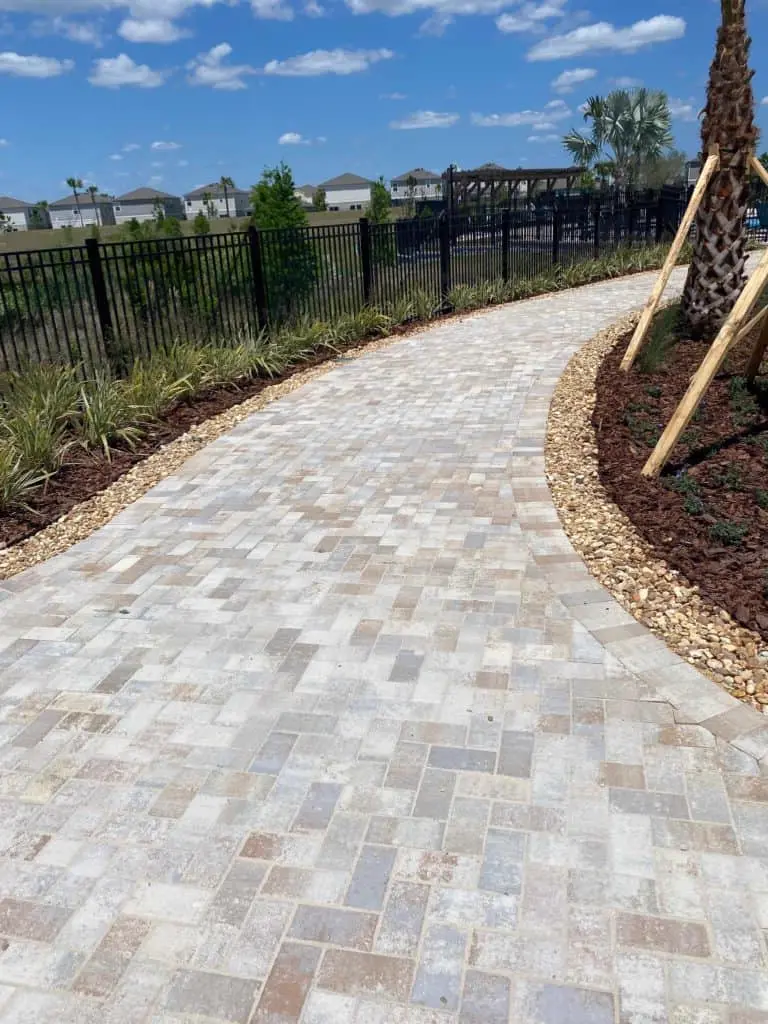
Trip Hazards on Walkways: How We Relevel Interlock Safely
Learn about the liability risks of uneven walkways, common causes like tree roots and frost heave, and how professional releveling restores safety to your interlock pavers.
Trip hazards on walkways are more than just a minor inconvenience—they represent a serious liability risk for homeowners and a genuine safety concern for anyone using your property. When interlock pavers become uneven, creating lips and height differences between stones, the risk of someone catching their foot and falling increases dramatically. At Interlock Experts, we’ve helped countless homeowners address these dangerous conditions through professional releveling services, restoring both safety and curb appeal to their walkways.
Understanding why walkways become uneven, how to identify trip hazards before they cause injury, and the proper methods for releveling interlock pavers can help you maintain a safe, beautiful property for years to come.
The Legal and Financial Risks of Uneven Walkways
Before diving into the technical aspects of walkway releveling, it’s crucial to understand the liability implications of ignoring trip hazards on your property. In Ontario, property owners have a legal “duty of care” to maintain their premises in a reasonably safe condition for visitors, delivery personnel, and even trespassers in some cases.
Homeowner Liability in Ontario
Under the Occupiers’ Liability Act, you as a property owner can be held responsible for injuries that occur due to hazardous conditions on your property—including uneven walkway surfaces. If a visitor, mail carrier, or guest trips and falls on your uneven interlock walkway, you could face:
- Personal injury lawsuits seeking compensation for medical expenses, lost wages, and pain and suffering
- Increased homeowner insurance premiums following a claim
- Potential denial of coverage if the insurance company determines you were negligent in maintaining your property
- Legal defense costs even if you’re ultimately not found liable
The financial impact of a single trip-and-fall injury can easily reach tens of thousands of dollars—far exceeding the cost of professional walkway releveling. More importantly, the peace of mind that comes from knowing your property is safe for family, friends, and visitors is invaluable.
When Does Unevenness Become a Trip Hazard?
Not every slight variation in paver height constitutes a dangerous trip hazard, but industry standards and legal precedents provide some guidelines. Generally, height differences of 1/2 inch (12-13mm) or greater between adjacent pavers are considered potential trip hazards. However, even smaller height differences can be problematic in high-traffic areas or where elderly individuals or children frequently walk.
You should consider professional interlock repair and releveling when you notice:
- Visible “lips” where one paver sits noticeably higher than its neighbor
- Areas where you can feel a distinct bump or drop when walking
- Pavers that rock or move when stepped on
- Sections of walkway that have clearly sunk or risen compared to surrounding areas
- Water pooling on the walkway instead of draining properly
Common Causes of Uneven Interlock Walkways
Understanding why your interlock walkway has become uneven is the first step toward fixing the problem permanently. In the Ottawa region, we see several recurring causes of walkway settlement and heaving.
Tree Root Growth and Interference
One of the most common culprits behind uneven walkways in established Ottawa neighborhoods is tree root growth. As trees mature, their root systems expand outward in search of water and nutrients, often growing just beneath the surface of the ground. When roots encounter the base material beneath your interlock walkway, they can:
- Push upward against the base, causing sections of the walkway to heave and create raised areas
- Disrupt the compacted base material, creating voids that allow pavers to sink
- Continue growing and expanding, causing progressive worsening of the problem over time
Large trees like maples, oaks, and willows are particularly problematic due to their extensive, shallow root systems. If your walkway runs near mature trees, root interference is likely contributing to any unevenness you’re experiencing.
Frost Heave and Freeze-Thaw Cycles
Ottawa’s harsh winters subject interlock walkways to tremendous stress through repeated freeze-thaw cycles. When moisture in the soil beneath your walkway freezes, it expands, pushing pavers upward. When it thaws, the soil contracts, often settling unevenly. Over multiple winter seasons, this process causes:
- Gradual heaving of pavers, particularly in areas with poor drainage
- Differential movement where some pavers rise more than others
- Breakdown of the base material, reducing its ability to support pavers evenly
- Shifting of edge restraints that normally hold pavers in place
For a detailed explanation of how heaving differs from settling, check out our guide on heaving vs settling pavers.
Poor Initial Installation
Unfortunately, not all interlock installations are created equal. Walkways installed without proper base preparation are virtually guaranteed to develop unevenness over time. Common installation deficiencies include:
- Inadequate base depth (should be 6-8 inches of compacted granular material in our climate)
- Improper compaction of base materials, leaving soft spots that settle under weight
- Failure to establish proper drainage slope, causing water to pool and erode base material
- Using inappropriate base materials that don’t provide stable support
- Skipping edge restraints that prevent lateral paver movement
Soil Settlement and Erosion
Even with perfect installation, natural soil settlement can cause walkway unevenness over time. This is particularly common in:
- Newer homes where construction has disturbed native soil
- Areas where topsoil was recently added or grading was changed
- Properties with clay-heavy soil that expands when wet and contracts when dry
- Locations where underground water flow or poor drainage erodes base material from beneath pavers
The Professional Walkway Releveling Process
When you notice trip hazards developing on your interlock walkway, prompt professional attention can prevent the problem from worsening and restore safety to your property. Here’s what our interlock relaying and releveling process involves.
Initial Assessment and Diagnosis
The first step in any releveling project is a thorough assessment to identify the underlying cause of the unevenness. Our team examines:
- The extent and pattern of settlement or heaving
- Drainage conditions and water flow patterns
- Proximity to trees and evidence of root interference
- Condition of the existing base material
- Original installation quality and edge restraint integrity
This diagnostic phase is crucial because it determines whether simple releveling will suffice or if more extensive base repair is needed for a lasting solution.
Paver Removal and Base Inspection
Once we’ve identified the problem areas, we carefully remove the affected pavers, typically working in sections to maintain the integrity of unaffected areas. Each paver is set aside for reinstallation—one of the great advantages of interlock is that the same pavers can be reused after releveling.
With pavers removed, we inspect the bedding sand and base material underneath. We’re looking for:
- Voids or soft spots in the base that need filling and compaction
- Evidence of water infiltration or poor drainage
- Tree roots that need to be addressed
- Contaminated or deteriorated base material that needs replacement
Base Repair and Preparation
Depending on what we find, base repair might involve:
- Adding and compacting new granular base material to fill voids or low spots
- Installing root barriers to prevent future tree root interference
- Improving drainage by adjusting slopes or adding drainage channels
- Completely rebuilding sections of base that have failed
- Reinforcing or replacing edge restraints to prevent future movement
Proper compaction at this stage is critical. We use plate compactors and hand tampers to ensure the base is uniformly firm and will provide stable, long-term support for the pavers.
Screeding and Bedding Sand Installation
Once the base is properly prepared and compacted, we install a fresh layer of bedding sand—typically one inch thick. This sand is carefully screeded to ensure a perfectly level surface that will support the pavers at the correct height and slope for drainage.
The bedding sand serves several important functions:
- Provides a smooth, level setting bed for pavers
- Allows for minor adjustments to individual paver height
- Accommodates the slight irregularities on the bottom of concrete pavers
- Facilitates water drainage down through the paver system
Paver Reinstallation and Compaction
With the base and bedding sand properly prepared, we reinstall the pavers in their original pattern. Each paver is carefully positioned to maintain consistent joint widths and alignment with surrounding unaffected areas.
After all pavers are in place, we sweep polymeric sand into the joints to lock pavers together and prevent weed growth. Finally, we compact the entire area with a plate compactor fitted with a rubber pad to avoid damaging paver surfaces. This compaction:
- Seats pavers firmly into the bedding sand
- Ensures a level, uniform surface across all pavers
- Activates the polymeric sand to begin binding
- Eliminates any slight wobbling or movement of individual pavers
Final Inspection and Quality Assurance
After compaction, we conduct a final inspection, walking the entire releveled area to ensure:
- No trip hazards remain—all pavers are within acceptable height tolerances
- Proper drainage slope is maintained
- Joint sand is properly installed and activated
- The walkway is safe for immediate use
Prevention Strategies: Keeping Your Walkway Level
While some settling and movement is inevitable over time, proper maintenance and preventive measures can significantly extend the life of your walkway and minimize future trip hazards.
Maintain Proper Drainage
Water is the enemy of interlock stability. Ensure that:
- Downspouts and eavestroughs direct water away from walkway edges
- The walkway maintains its designed slope for water runoff
- Joints remain filled with polymeric sand to prevent water from washing away base material
- Adjacent landscaping doesn’t block drainage or direct water onto the walkway
Address Tree Root Issues Proactively
If your walkway is near trees, consider:
- Installing root barriers during initial installation or releveling to redirect root growth downward
- Choosing walkway routes that avoid large tree root zones when possible
- Consulting with an arborist about root pruning options that won’t harm tree health
- Monitoring for early signs of root heaving and addressing them before major damage occurs
Regular Maintenance and Inspections
Catching small problems early prevents them from becoming expensive trip hazards. We recommend:
- Walking your walkway twice yearly (spring and fall) to check for developing unevenness
- Refilling joints with polymeric sand when needed to maintain paver stability
- Addressing any individual loose or rocking pavers immediately
- Scheduling professional inspection if you notice any signs of settlement or heaving
Winter Care in Ottawa’s Climate
Our harsh winters demand special attention:
- Use plastic shovels or snow blowers with rubber paddles to avoid damaging pavers and joints
- Avoid using salt or harsh de-icing chemicals that can damage pavers and wash away joint sand
- Clear snow promptly to prevent repeated freeze-thaw cycles from impacting pavers
- Ensure good drainage so water doesn’t pool and freeze on the walkway surface
When to Call the Professionals
While minor maintenance like refilling joint sand can be a DIY task, walkway releveling is best left to professionals. The process requires specialized equipment, knowledge of base materials and compaction, and experience diagnosing the underlying causes of unevenness.
Attempting DIY releveling often results in:
- Inadequate base repair that allows the problem to quickly return
- Improper compaction leading to further settlement
- Incorrect drainage slopes that create new problems
- Damaged pavers from improper handling or compaction techniques
Professional releveling, while requiring an upfront investment, provides lasting results and actually saves money compared to repeated DIY attempts or dealing with liability issues from trip hazards.
Protect Your Property and Your Peace of Mind
Trip hazards on your interlock walkway aren’t just unsightly—they’re dangerous liabilities that put your family, visitors, and finances at risk. Whether caused by tree roots, frost heave, poor installation, or natural settlement, uneven pavers require professional attention to restore safety and prevent future problems.
At Interlock Experts, we’ve releveled hundreds of walkways throughout Ottawa and surrounding areas, addressing the underlying causes and delivering lasting solutions. Our experienced team understands the unique challenges of our climate and soil conditions, and we use proven techniques to ensure your releveled walkway remains safe and beautiful for years to come.
Don’t wait for a trip-and-fall injury to take action. If you’ve noticed uneven areas developing on your walkway, contact Interlock Experts today for a professional assessment. We’ll diagnose the problem, explain your options, and provide a detailed quote for releveling services. Protect your property, your loved ones, and your peace of mind with professional walkway releveling from Ottawa’s interlock experts.
Call us today or request a free quote through our website to schedule your walkway safety assessment.