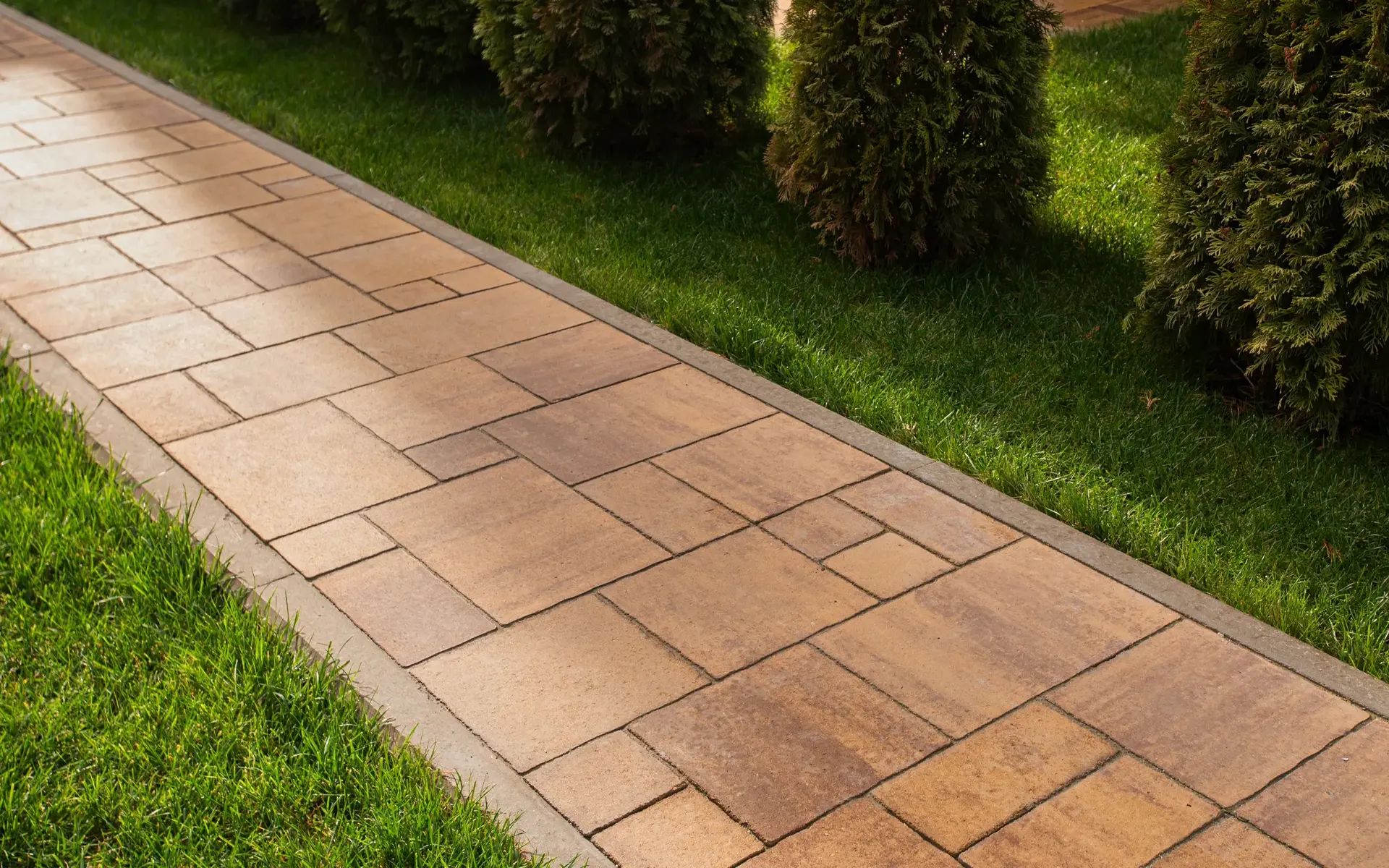
Gaps Between Pavers: Why They Happen (And How Pros Restore the Joints)
Noticing gaps between your paver stones? Learn why gaps form between interlock pavers, how to identify serious problems, and what professional joint restoration looks like. Expert advice from Ottawa's premier interlock specialists.
Noticing gaps between your paver stones? You’re not alone. As Ottawa’s premier interlock specialists, we see this issue regularly—especially after our harsh winter-spring freeze-thaw cycles. While small gaps might seem like a minor cosmetic concern, they can quickly escalate into costly structural problems if left unaddressed.
In this comprehensive guide, we’ll explain exactly why gaps form between pavers, how to identify whether it’s a serious problem, and what professional restoration looks like. Whether you’re dealing with a new patio showing separation or an older driveway with widening joints, understanding the root causes will help you make informed decisions about repairs.
What Causes Gaps Between Pavers?
Gaps between interlock pavers don’t appear randomly. There are several specific causes, each requiring different approaches to fix properly.
1. Joint Sand Erosion and Washout
The most common culprit is joint sand erosion. Traditional mason sand or even polymeric sand can wash out over time due to:
- Heavy rainfall: Ottawa’s spring storms can be particularly aggressive, washing sand from joints into drainage systems
- Improper drainage: If water pools on your pavers instead of draining away, it slowly erodes joint material
- Power washing: While cleaning your pavers is important, aggressive power washing at too close a distance literally blasts sand out of joints
- Snow removal: Shoveling and plowing can scrape joint sand away, especially if done repeatedly over multiple winters
When joint sand disappears, pavers lose the lateral support that keeps them locked together. This creates visible gaps and allows individual stones to shift independently—a recipe for further deterioration.
2. Ant Activity and Insect Damage
Believe it or not, pavement ants are a significant problem in Ottawa’s residential areas. These industrious insects:
- Excavate sand from paver joints to create their underground tunnels
- Deposit excavated sand on the surface (those small piles you see on your patio)
- Weaken the base support beneath pavers by tunneling
- Create voids that allow pavers to settle unevenly
Ant-related gaps often appear clustered in specific areas—wherever the colony establishes its network. You’ll typically see small mounds of sand near the affected joints, a telltale sign of insect activity.
3. Poor Initial Installation
Unfortunately, not all interlock installations are created equal. Installation shortcuts that lead to premature gaps include:
- Insufficient joint filling: Contractors who rush may not properly compact and fill joints during installation
- Wrong sand type: Using unsuitable sand that doesn’t lock pavers together
- Inadequate compaction: Skipping proper plate compaction steps means joints never fully settle
- Missing edge restraints: Without proper borders, perimeter pavers gradually creep outward
If your interlock developed gaps within the first year or two, poor installation is likely the root cause. Quality work from experienced contractors rarely shows significant joint separation this quickly.
4. Freeze-Thaw Cycles and Seasonal Movement
Ottawa’s climate is particularly hard on hardscaping. Our temperature swings cause:
- Frost heave: Ground freezing and expanding pushes pavers upward unevenly
- Seasonal settlement: Spring thaw allows base materials to settle and compact
- Differential movement: Different areas of your patio or driveway shift at different rates
- Ice expansion: Water trapped in joints freezes, expands, and gradually widens gaps
This is why many Ottawa homeowners notice gaps opening up each spring after winter. The freeze-thaw cycle is relentless, and even well-installed interlock requires periodic maintenance.
5. Base Layer Settlement and Erosion
Sometimes the problem isn’t at the surface—it’s underneath. Base layer issues that cause gaps include:
- Inadequate base depth (should be 6-8 inches of compacted gravel for driveways)
- Poor drainage causing base material to wash away
- Tree roots disrupting the base layer
- Underground water flow eroding foundation materials
- Settling of disturbed soil (common in new construction)
When the base fails, pavers don’t just separate—they also become uneven, creating trip hazards and drainage problems.
How to Identify If Gaps Are a Serious Problem
Not all gaps require immediate professional intervention, but some warning signs demand quick action:
Minor concerns (monitor and schedule routine maintenance):
- Gaps less than 3mm wide
- Uniform spacing across the entire surface
- No paver movement or rocking when walked on
- Pavers remain level with each other
Serious problems (require professional repair):
- Gaps wider than 5mm
- Progressive widening over months
- Pavers that rock, tilt, or shift when stepped on
- Uneven height between adjacent pavers
- Visible voids beneath pavers when you look into gaps
- Water pooling in gaps or failing to drain
- Multiple pavers sinking together (indicates base failure)
If you’re unsure, our team offers free assessments. We can determine whether you need simple joint refilling or more extensive interlock repair work.
Temporary vs. Permanent Fixes: What’s the Difference?
Temporary Band-Aid Solutions
Homeowners often attempt quick fixes that provide short-term cosmetic improvement but don’t address underlying issues:
- Dry pouring sand: Simply sweeping regular sand into joints without proper compaction washes out within weeks
- Wrong sand products: Using play sand, beach sand, or topsoil instead of proper jointing sand
- Surface-only repairs: Filling gaps without checking for base problems or proper drainage
- Skipping activation: Using polymeric sand but failing to properly activate it with water
These approaches might last a season, but Ottawa’s weather will quickly undo the work. You’ll find yourself repeating the same repair annually—or more often.
Professional Permanent Restoration
Proper gap repair addresses root causes and provides lasting results:
- Complete assessment of why gaps formed
- Base layer inspection and repair if needed
- Drainage evaluation and correction
- Professional-grade polymeric sand installation
- Proper compaction and activation procedures
- Edge restraint reinforcement
- Ant treatment if insect activity is present
When done correctly by experienced professionals, joint restoration should last 5-10 years or more, even in Ottawa’s challenging climate.
The Professional Joint Restoration Process
Here’s what quality polymeric sand installation and joint restoration looks like:
Step 1: Inspection and Assessment
Before any work begins, we thoroughly evaluate:
- Extent of joint separation
- Paver stability and levelness
- Base layer condition
- Drainage performance
- Signs of ant activity or other damage
- Edge restraint integrity
This diagnostic phase determines whether simple re-sanding will suffice or if more extensive repairs are needed.
Step 2: Cleaning and Preparation
Proper preparation is critical for polymeric sand success:
- Remove all debris, vegetation, and old joint material
- Vacuum or blow out joints completely (at least 1.5 inches deep for driveways)
- Ensure pavers are completely dry (moisture prevents proper sand compaction)
- Clean paver surfaces to prevent polymeric sand staining
- Verify joints are at least 1/4 inch wide (polymeric sand minimum requirement)
Step 3: Paver Releveling (If Required)
If inspection reveals uneven pavers, we perform interlock relaying:
- Carefully remove affected pavers
- Add or remove base material as needed
- Re-compact the base layer
- Add fresh bedding sand
- Relay pavers ensuring proper slope and drainage
Trying to fill joints on unlevel pavers is pointless—the problem will recur quickly.
Step 4: Polymeric Sand Application
Professional-grade polymeric sand application involves:
- Selecting appropriate polymeric sand for joint width and traffic type
- Spreading sand evenly across the entire surface
- Using a soft-bristle broom to sweep sand into all joints
- Multiple passes to ensure joints are filled to within 1/8 inch of paver surface
- Plate compaction to consolidate sand in joints
- Additional sand application after compaction to fill any settling
Step 5: Activation and Curing
The final critical steps that DIY attempts often get wrong:
- Thoroughly cleaning excess sand from paver surfaces before wetting
- Fine mist application to begin polymeric sand activation
- Controlled water application—enough to activate but not wash away sand
- Proper curing time (typically 24-48 hours) before traffic or exposure to rain
- Weather monitoring to avoid rain within the curing window
Timing is everything. Professional crews check weather forecasts carefully and plan installation windows when conditions support proper curing.
Preventive Maintenance: Keeping Gaps from Returning
Once joints are properly restored, these practices help maintain them:
- Annual inspection: Check joints each spring after snowmelt
- Gentle cleaning: Use moderate pressure when washing (15-degree spray tip, 12+ inches from surface)
- Top-up as needed: Address small erosion spots before they become large gaps
- Proper snow removal: Use plastic-edged shovels and avoid metal scrapers
- Drainage maintenance: Keep gutters and surface drains clear to prevent water pooling
- Ant control: Address insect activity promptly if you notice sand mounds
- Edge protection: Monitor edge restraints and repair any separation from paver field
Think of joint maintenance like maintaining your home’s weather stripping—small efforts regularly prevent big problems later.
When to Call Professionals vs. DIY
Homeowners can handle some simple maintenance, but certain situations demand professional expertise:
Suitable for careful DIY:
- Minor touch-ups on small areas (less than 20 square feet)
- Recent erosion from a single heavy rain event
- Pavers that remain level and stable
- No underlying base or drainage issues
Call professionals for:
- Widespread gaps across large areas
- Uneven or rocking pavers
- Recurring gaps that keep returning
- Drainage problems or water pooling
- Visible base layer damage
- High-traffic areas like driveways
- Premium installations you don’t want to risk damaging
Poor polymeric sand application can actually make problems worse—creating haze on pavers, incomplete bonding, or premature failure. When in doubt, professional installation pays for itself in longevity and proper results.
What It Costs to Restore Paver Joints Professionally
Investment in proper joint restoration varies based on several factors:
- Surface area: Larger patios and driveways have volume-based pricing
- Joint condition: Extensive cleaning and preparation increase labor
- Base repairs: If underlying repairs are needed, expect higher costs
- Access: Difficult-to-reach areas require more time
- Material selection: Premium polymeric sand products cost more but perform better
As a rough guideline, simple polymeric sand restoration on a well-maintained surface typically costs a fraction of full replacement, while extensive repairs with releveling and base work naturally cost more. We provide free estimates that detail exactly what work is needed and why.
Remember: addressing gaps early almost always costs less than waiting until base failure occurs. What might be a simple re-sanding project today could become a complete relaying project if deferred too long.
The Bottom Line on Paver Gaps
Gaps between your interlock pavers tell a story—about installation quality, maintenance history, drainage performance, and environmental challenges. While small gaps are normal and manageable, progressive widening signals problems that won’t fix themselves.
The good news? Professional joint restoration is straightforward, cost-effective, and provides excellent long-term results when done correctly. The key is proper diagnosis of why gaps formed, addressing any underlying issues, and using professional-grade materials with correct installation procedures.
At Interlock Experts, we’ve restored thousands of square feet of paver surfaces across the region. We know exactly what causes joint failure in our local climate, and more importantly, we know how to fix it permanently. Whether your pavers need simple re-sanding or more comprehensive repair, our team has the experience and equipment to deliver lasting results.
For more detailed guidance on polymeric sand, check out our comprehensive polymeric sand Ottawa guide, which covers product selection, installation techniques, and common mistakes to avoid.
Ready to Restore Your Paver Joints?
Don’t let small gaps become big problems. Our team provides free, no-obligation assessments of paver joint condition, including:
- Detailed inspection of joint gaps and paver stability
- Diagnosis of underlying causes
- Clear explanation of repair options
- Transparent pricing with no hidden fees
- Professional recommendations based on your specific situation
We serve all of Ottawa and surrounding areas, with particular expertise in handling the challenges our climate creates for interlock installations. Contact Interlock Experts today at (613) XXX-XXXX or request your free assessment online. Let’s keep your pavers looking great and performing properly for decades to come.