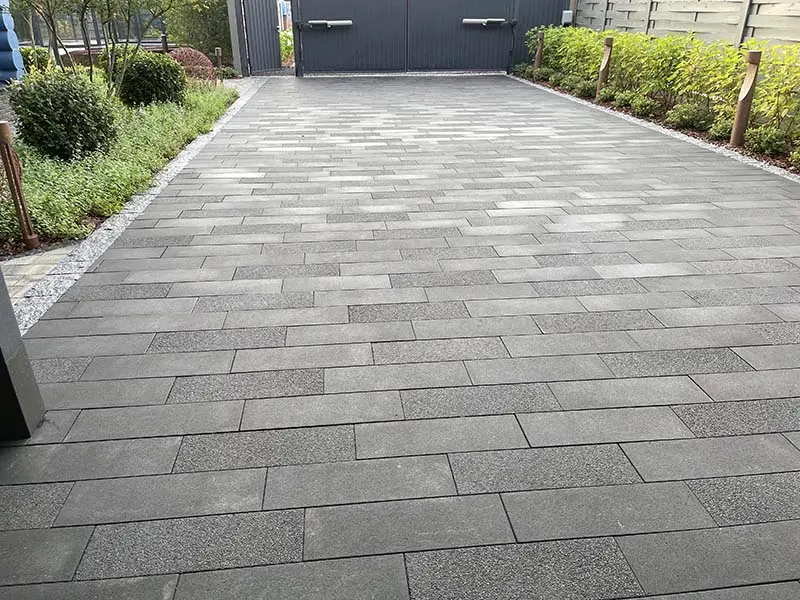
Why Water Pools on Interlock (Grading Basics for Ottawa Homes)
Learn why water pools on interlock driveways and patios, the importance of proper grading (1-2% slope), common causes of drainage issues in Ottawa, and professional solutions to fix pooling problems.
If you’ve noticed water pooling on your interlock driveway or patio after rainfall or snow melt, you’re not alone. Water pooling is one of the most common issues Ottawa homeowners face with their interlock installations, and it’s more than just an inconvenience. Standing water can lead to accelerated wear, safety hazards, and costly repairs down the line. Understanding the grading basics and drainage principles specific to Ottawa’s climate can help you prevent or resolve these issues effectively.
Understanding Proper Grading for Interlock Installations
Proper grading is the foundation of any successful interlock installation. In Ottawa’s climate, where we experience significant rainfall, snowmelt, and the notorious freeze-thaw cycles, correct grading becomes even more critical.
The 1-2% Minimum Slope Requirement
Professional interlock installations require a minimum slope of 1-2% away from your home’s foundation. This translates to a drop of approximately 1 to 2 inches for every 10 feet of horizontal distance. While this might seem minimal, it’s precisely engineered to allow water to flow naturally off the surface without creating erosion issues or making the slope visually noticeable.
For interlock driveways, the slope should direct water toward the street, curb, or designated drainage area. For patios and walkways, water should flow away from the house and toward permeable areas like gardens or lawn edges. In some cases, multiple directional slopes may be necessary to ensure water doesn’t accumulate in low spots.
Why Proper Grading Matters in Ottawa
Ottawa’s unique climate makes proper grading absolutely essential. Our winters bring heavy snowfall that eventually melts, creating large volumes of water that need somewhere to go. In spring, we experience frequent rain events combined with snowmelt. Without proper grading, this water has nowhere to go but into pools on your interlock surface.
When water pools and sits on your interlock, especially during Ottawa’s freeze-thaw cycles, it can penetrate between pavers, freeze, expand, and cause the stones to shift or heave. This creates an escalating problem where poor drainage leads to movement, which creates more low spots, which collect more water.
Common Causes of Water Pooling on Interlock
Understanding why water pools on your interlock is the first step to fixing the problem. Here are the most common culprits we see in Ottawa installations.
1. Settlement and Soil Compaction Issues
Over time, the base materials beneath your interlock can settle, especially if they weren’t properly compacted during installation. Ottawa’s clay-heavy soil is particularly susceptible to settlement issues. Clay expands when wet and contracts when dry, creating movement in the base layer that can result in dips and depressions where water collects.
New installations are especially vulnerable during the first few years as the base continues to settle. However, even older installations can develop settlement issues, particularly in areas that receive heavy vehicle traffic or where the original excavation wasn’t deep enough to reach stable soil.
2. Poor Initial Installation
Unfortunately, not all interlock installations are created equal. Poor installation practices are a leading cause of drainage problems. Common installation mistakes include:
- Inadequate base preparation: Skimping on the aggregate base thickness or using the wrong materials
- Improper compaction: Failing to compact the base in layers, leading to future settlement
- Incorrect grading: Not establishing proper slope during installation or creating reverse slopes
- No edge restraints: Missing or inadequate edge restraints that allow pavers to shift over time
- Poor joint sand selection: Using incorrect polymeric sand or failing to properly activate it
If your interlock was installed without following industry best practices, you may need professional interlock repair or complete relaying to correct the grading issues.
3. Blocked or Inadequate Drainage Systems
Even properly graded interlock needs somewhere for water to go. Drainage problems can occur when:
- French drains or weeping tiles become clogged with debris or sediment
- Catch basins fill with leaves, dirt, or winter sand
- The surrounding landscape blocks natural drainage paths
- Downspouts discharge directly onto interlock without proper drainage channels
- Neighboring properties have grading that directs water toward your interlock
In Ottawa, our spring cleanup often reveals drainage systems clogged with winter sand, salt residue, and organic debris. Regular maintenance of these systems is essential to prevent pooling.
4. Shifting and Movement Over Time
Ottawa’s extreme temperature fluctuations cause natural expansion and contraction of materials. Over multiple freeze-thaw cycles, interlock pavers can gradually shift position, creating uneven surfaces where water accumulates. High-traffic areas like the end of driveways or turning zones are particularly susceptible to this type of movement.
5. Landscape Changes
Sometimes the cause isn’t the interlock itself but changes in the surrounding landscape. New garden beds, retaining walls, or changes in soil grade around your property can redirect water flow toward your interlock. Even something as simple as soil buildup against the edge of your pavers can dam water and prevent proper drainage.
Ottawa-Specific Drainage Considerations
Our local climate and geography create unique challenges that require special attention.
Heavy Clay Soil Conditions
Much of Ottawa sits on clay-based soil, which has poor drainage characteristics. When water can’t percolate through the surrounding ground, it stays on the surface longer, making proper grading and slope even more critical. Clay soil also expands and contracts significantly with moisture changes, potentially affecting the stability of your interlock base.
Professional installations in Ottawa should account for clay soil by using adequate drainage layers, proper base materials, and potentially incorporating drainage pipes or channels to move water away from the interlock surface.
Spring Snowmelt Challenges
Ottawa typically receives 200+ cm of snow annually, and all of that has to go somewhere when spring arrives. The rapid snowmelt can overwhelm drainage systems, especially if they’re clogged with winter debris. This is why many interlock drainage problems become apparent in March and April when the snow melts faster than the ground can absorb it.
Municipal Drainage Regulations
The City of Ottawa has specific requirements about stormwater management. Your interlock installation must direct water appropriately without creating drainage problems for neighboring properties or overwhelming municipal storm sewers. Understanding these regulations is important when planning drainage solutions.
Solutions and Fixes for Water Pooling
The good news is that water pooling problems can be fixed. The solution depends on the underlying cause and severity of the issue.
Minor Leveling and Adjustments
For small areas of settlement or minor low spots, it may be possible to lift and relay just the affected pavers. This involves:
- Removing the pavers in the pooling area
- Adding and properly compacting additional base material
- Re-establishing the correct slope
- Relaying the pavers with fresh polymeric sand
This type of targeted repair work is often cost-effective for addressing isolated problem areas.
Complete Base Reconstruction
When the problem is widespread or the base was never properly installed, a complete reconstruction may be necessary. This involves removing all pavers, re-excavating to proper depth, installing a correctly graded and compacted base, and relaying all pavers. While more expensive, this provides a permanent solution and essentially gives you a new installation.
Professional interlock relaying services can transform a poorly draining surface into one that properly sheds water for decades to come.
Adding Drainage Systems
Sometimes the interlock itself is fine, but water needs help getting away from the area. Solutions include:
- Trench drains: Linear drains installed along the interlock edge to catch and channel water
- French drains: Perforated pipes buried alongside the interlock to collect and redirect groundwater
- Catch basins: Collection points that connect to drainage pipes or storm sewers
- Permeable borders: Creating gravel or planted edges that allow water to percolate away
Surface Treatments and Maintenance
Regular maintenance can prevent many drainage problems:
- Clean out joints and resand as needed to maintain proper paver spacing
- Clear debris from edges and drainage channels seasonally
- Remove any soil or mulch buildup against pavers
- Seal interlock to reduce water penetration (consult a professional about whether this is appropriate for your installation)
- Address any vegetation growth that might trap water or shift pavers
When to Call a Professional
While some drainage issues can be addressed with DIY maintenance, significant pooling problems require professional assessment. Contact an experienced interlock contractor if you notice:
- Large areas of standing water that persist for hours after rain
- Visible settlement or sinking sections
- Pavers that rock or shift when walked on
- Water flowing toward your foundation instead of away from it
- Ice buildup in winter that creates safety hazards
- Signs of erosion around the edges of your interlock
A professional can evaluate whether you need minor repairs, targeted releveling, or complete reconstruction. They can also identify underlying issues that might not be immediately obvious, such as problems with your foundation drainage or grading issues that extend beyond the interlock itself.
Prevention is Key
The best way to deal with water pooling is to prevent it in the first place. When planning a new interlock installation or driveway project, insist on:
- Adequate excavation depth (typically 12-18 inches in Ottawa)
- Proper base materials (clear stone, not crusher dust alone)
- Compaction in lifts using a plate compactor
- Correct slope established from the start (minimum 1-2%)
- Quality edge restraints to prevent lateral movement
- Appropriate drainage provisions for your specific site
Working with experienced contractors who understand Ottawa’s climate and soil conditions is essential for a long-lasting, properly draining installation.
Take Action Against Drainage Problems
Water pooling on your interlock isn’t just unsightly – it’s a problem that will worsen over time if left unaddressed. Ottawa’s freeze-thaw cycles make drainage issues particularly damaging, as standing water freezes, expands, and gradually destroys even high-quality installations.
At Interlock Experts, we specialize in diagnosing and fixing drainage problems in interlock installations throughout the Ottawa area. Our team understands local soil conditions, climate challenges, and proper grading techniques to ensure your interlock sheds water effectively year-round.
Whether you need minor repairs, complete relaying, or a new installation done right from the start, we’re here to help. Contact us today for a free assessment of your drainage issues and a detailed quote for solutions tailored to your property.
Don’t let water pooling damage your investment. Proper grading and drainage aren’t just technical requirements – they’re the foundation of an interlock installation that will serve you beautifully for decades to come.