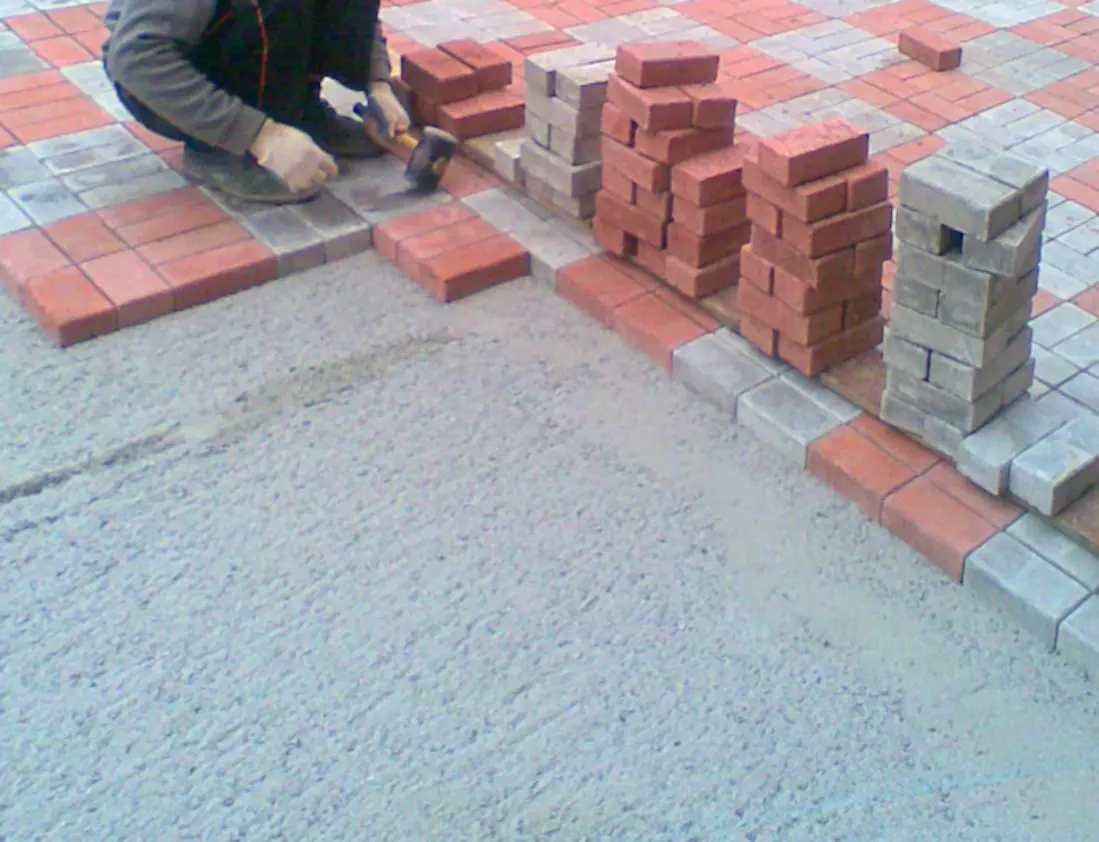
Interlock vs Asphalt in Ottawa: Pros, Cons, and What’s Best for Our Winters
Choosing between interlock and asphalt for your Ottawa driveway? This comprehensive guide compares durability, costs, maintenance, and winter performance to help you make the best decision for our harsh climate. Learn which option provides better long-term value.
Choosing between interlock and asphalt for your Ottawa driveway is one of the most important decisions you’ll make as a homeowner. With our harsh winters, freeze-thaw cycles, and heavy snowfall, the material you choose will significantly impact your property’s curb appeal, maintenance costs, and long-term value.
In this comprehensive guide, we’ll compare interlock paving stones and asphalt across all the factors that matter most to Ottawa homeowners: durability in winter conditions, upfront and long-term costs, maintenance requirements, aesthetic appeal, and repairability. By the end, you’ll have a clear understanding of which option is best for your specific needs and budget.
Understanding Ottawa’s Unique Climate Challenges
Before diving into the comparison, it’s essential to understand what makes Ottawa’s climate so demanding on driveway materials. Our region experiences extreme temperature fluctuations, often swinging from -30°C in winter to +30°C in summer. This 60-degree range creates significant expansion and contraction in paving materials.
The freeze-thaw cycle is particularly brutal. Water seeps into small cracks and pores in paving materials, then freezes and expands, widening those cracks. This cycle can repeat dozens of times each winter, accelerating deterioration. Additionally, road salt and de-icing chemicals used throughout Nepean, Orleans, and surrounding communities can further compromise certain materials.
Durability and Lifespan: How Each Material Holds Up
Interlock Pavers in Ottawa Winters
Interlock paving stones are engineered specifically to handle freeze-thaw cycles. Individual pavers can shift independently during ground movement, which actually prevents cracking. This flexibility is a massive advantage in Ottawa’s climate.
A properly installed interlock driveway typically lasts 25-30 years or more with minimal maintenance. The concrete used in quality pavers is designed to resist water absorption, reducing frost damage. Even if individual pavers do crack (which is rare), they can be replaced individually without affecting the surrounding area.
The joint sand between pavers allows for drainage, preventing water from pooling and freezing on the surface. This permeability also helps reduce ice formation, making interlock safer during winter months.
Asphalt in Ottawa Winters
Asphalt, while initially smooth and attractive, faces significant challenges in our climate. The material is petroleum-based and becomes brittle in extreme cold. Cracks typically begin appearing within 2-3 years, especially along edges and in areas with poor drainage.
The lifespan of an asphalt driveway in Ottawa is typically 12-20 years, depending on installation quality and maintenance. However, this assumes regular seal coating every 2-3 years and prompt crack repair. Without this maintenance, deterioration accelerates rapidly.
Asphalt’s monolithic nature means cracks can spread quickly. What starts as a small hairline crack can become a significant problem after just one winter season. The freeze-thaw cycle is particularly destructive to asphalt, as water infiltrates cracks, freezes, and widens them with each cycle.
Cost Comparison: Initial Investment vs Long-Term Value
Upfront Costs
Asphalt has a clear advantage in initial cost. A standard asphalt driveway in Ottawa typically costs $3-$7 per square foot installed, depending on thickness and base preparation. For a typical 600 square foot driveway, you’re looking at $1,800-$4,200.
Interlock pavers have a higher upfront cost, typically ranging from $12-$25 per square foot installed for quality materials and professional installation. That same 600 square foot driveway would cost $7,200-$15,000. This significant price difference is often the deciding factor for homeowners working with tight budgets.
For detailed pricing breakdowns specific to your project, check out our pricing guide.
Long-Term Cost Analysis
However, the initial price is only part of the equation. When you factor in maintenance, repairs, and lifespan, the cost picture changes significantly.
Asphalt requires seal coating every 2-3 years at approximately $0.25-$0.50 per square foot. Over a 20-year lifespan, that’s 6-8 seal coating applications, adding $900-$2,400 to your total investment. Crack filling, edge repairs, and eventual resurfacing add additional costs. Many Ottawa homeowners find themselves spending $3,000-$5,000 in maintenance over the life of their asphalt driveway.
Interlock pavers, by contrast, require minimal maintenance. Annual sweeping and occasional joint sand replenishment (every 3-5 years at about $0.50-$1.00 per square foot) are typically all that’s needed. Over 30 years, maintenance costs might total $1,000-$2,000—significantly less than asphalt despite the longer lifespan.
When you calculate cost per year of service life, interlock often becomes the more economical choice. A $12,000 interlock driveway lasting 30 years costs $400 per year. A $3,000 asphalt driveway lasting 15 years (including maintenance costs) costs $500-$600 per year.
Maintenance Requirements: What to Expect
Interlock Maintenance in Ottawa
Maintaining an interlock driveway is straightforward and doesn’t require professional services for most tasks. Spring cleanup involves sweeping away winter debris and checking for any settled pavers that may need leveling. Joint sand should be replenished every few years to prevent weed growth and maintain stability.
Snow removal is easy with interlock—you can use metal shovels, snow blowers, and plows without worrying about surface damage. Salt and de-icing chemicals won’t harm quality pavers, though polymeric sand in joints may need more frequent replacement if you use salt heavily.
If repairs are ever needed, our interlock repair services can address individual damaged pavers without disturbing the entire surface. This targeted repair capability is a major advantage over asphalt.
Asphalt Maintenance in Ottawa
Asphalt requires more intensive and expensive maintenance. Seal coating must be done professionally every 2-3 years to protect against water infiltration and UV damage. This process requires the driveway to be unusable for 24-48 hours while the sealant cures.
Crack filling should be performed annually to prevent water penetration. Even with diligent maintenance, cracks will eventually form and spread. Edge deterioration is common and requires periodic patching.
Snow removal requires more care with asphalt. Metal shovels and plow blades can gouge the surface, creating damage points where water can infiltrate. Many homeowners need to replace their asphalt driveway completely after 15-20 years, even with excellent maintenance.
Aesthetic Appeal and Design Flexibility
Interlock Design Options
This is where interlock truly shines. Pavers are available in dozens of colors, shapes, sizes, and patterns. You can create custom designs, borders, and accent features that complement your home’s architecture. Popular patterns include herringbone, running bond, basketweave, and circular designs.
Color options range from natural grays and tans to rich reds, browns, and charcoals. Multi-color blends create visual interest and can hide minor dirt or staining. The textured surface of pavers also provides better traction in winter conditions.
Interlock driveways increase property value significantly—studies show they can boost home resale value by 5-10% compared to asphalt. The enhanced curb appeal is immediately noticeable and creates a premium impression.
Asphalt Aesthetics
Asphalt offers a clean, uniform black appearance when newly installed. It provides a smooth, contemporary look that some homeowners prefer. However, design options are extremely limited—it’s essentially black or dark gray with minimal variation.
The appearance of asphalt degrades relatively quickly. Within a few years, the surface fades to gray, and seal coating creates a darker black temporarily but adds a somewhat artificial-looking sheen. Cracks, patches, and oil stains become increasingly visible over time.
While asphalt is certainly functional and neat in appearance, it doesn’t contribute to property value the way interlock does. It’s viewed as a basic, utilitarian option rather than a premium feature.
Repairability: When Things Go Wrong
Interlock Repair Advantages
One of interlock’s greatest strengths is repairability. If a paver cracks or stains, you can replace just that individual stone. If you need to access underground utilities, pavers can be removed and replaced without leaving visible patch marks. This makes future driveway extensions or modifications much easier and more affordable.
Settled areas can be lifted and releveled by removing pavers, adjusting the base, and reinstalling the same stones. The repair blends seamlessly with the existing surface. Even major repairs typically cost a fraction of what comparable asphalt repairs would require.
Asphalt Repair Challenges
Asphalt repairs are always visible. Patches never quite match the surrounding surface in color or texture, creating a patchwork appearance over time. Small cracks can be filled, but the repair material is often a different shade and texture than the original surface.
Major repairs often require cutting out sections and installing new asphalt, which rarely blends well with aged material. Accessing utilities underneath asphalt is destructive and expensive, requiring significant resurfacing after the work is complete.
Environmental Considerations
Interlock pavers are more environmentally friendly than asphalt. They’re made from natural materials (concrete, which is limestone, sand, and cement) and are fully recyclable. The permeable nature of interlock installations allows rainwater to filter through to the ground, reducing runoff and helping recharge groundwater.
Asphalt is a petroleum product with a significant carbon footprint. It’s impermeable, causing all rainwater to run off into storm drains rather than soaking into the ground. Off-gassing occurs as asphalt ages, releasing volatile organic compounds (VOCs) into the environment.
Winter Performance: The Bottom Line for Ottawa
For Ottawa’s challenging climate, interlock paving stones are the superior choice in nearly every category that matters for winter performance. They handle freeze-thaw cycles better, last longer, require less maintenance, and provide better traction in icy conditions.
The flexibility of individual pavers prevents the cracking that plagues asphalt in cold climates. Snow removal is easier and less damaging. Salt doesn’t harm the pavers themselves. When spring arrives, interlock looks as good as it did in fall—no new cracks or deterioration from winter weather.
Asphalt’s main advantage is lower initial cost, which is significant for homeowners on tight budgets. For short-term ownership (less than 10 years), asphalt can be a practical choice. However, for long-term value, durability, and aesthetics, interlock is the clear winner in Ottawa’s climate.
Making Your Decision: Which Is Right for You?
Choose interlock if you:
- Plan to stay in your home long-term (10+ years)
- Want to maximize property value and curb appeal
- Prefer lower long-term maintenance costs
- Value design flexibility and aesthetic options
- Want a surface that improves rather than degrades over time
- Need easy repairability and future modification options
Choose asphalt if you:
- Have a very tight budget and need the lowest initial cost
- Plan to sell within 5-7 years
- Prefer a smooth, uniform black surface
- Don’t mind regular maintenance and seal coating
- Accept that replacement will likely be needed in 15-20 years
Get Expert Advice for Your Ottawa Driveway Project
Choosing between interlock and asphalt is a significant decision that will impact your home for decades. While this guide provides comprehensive information, every property is unique, with specific drainage considerations, soil conditions, and usage patterns that affect the best choice for your situation.
At Interlock Experts, we’ve installed hundreds of driveways throughout the region and understand exactly what works best in our climate. We can assess your specific property, discuss your budget and priorities, and provide honest recommendations—even if that means suggesting an alternative to our primary service.
Ready to explore your options? Contact us today for a free, no-obligation consultation and quote. We serve homeowners throughout Ottawa, including Nepean, Orleans, Kanata, Barrhaven, and all surrounding communities. Let us help you make the best investment in your home’s exterior.
Call us at +1 613 981 0199 or request your free quote online. Transform your driveway with a surface that will still look beautiful 30 years from now.